Behind the Scenes of Dharavi Slum Tours: What Tourists Never See
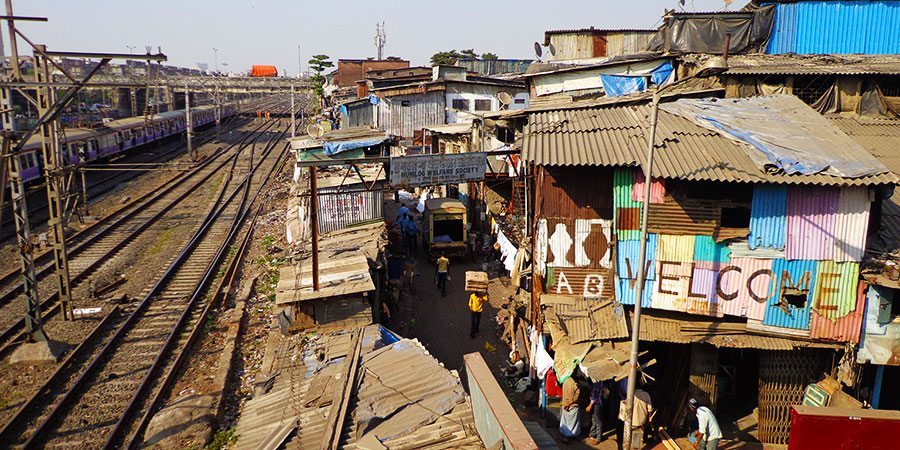
When most people think of Mumbai, they imagine the glamour of Bollywood, the iconic Gateway of India, or the buzz of Marine Drive. But tucked within the city’s beating heart lies Dharavi — one of Asia’s largest slums and one of its most misunderstood communities. A Dharavi Slum Tour offers a glimpse into a world full of resilience, entrepreneurship, and community spirit. Yet, even the most well-curated tours can’t show everything.
In this blog, we go beyond the polished routes and surface-level stories. We dig into the untold layers of the Slum Tour Mumbai experience, revealing what tourists often overlook — and why these behind-the-scenes moments matter more than you think.
Dharavi: More Than a Slum
First, let’s set the record straight: Dharavi is not a place of pity. It’s a living, breathing ecosystem — a network of over a million people, many of whom are small-scale entrepreneurs, artisans, and hard-working families.
Often referred to as the “economic engine” of the city, Dharavi hosts thousands of small industries: leather workshops, pottery units, bakeries, garment makers, recycling centres, and soap manufacturers. What tourists see on a typical Dharavi Slum Tour is just the tip of this iceberg.
But there’s so much more beneath the surface.
1. The Invisible Workforce
While the tour may take you through a leather workshop or a soap factory, what you won’t see are the long hours and back-breaking work that fuel Dharavi’s productivity. Many workers begin their day before dawn, operating in cramped, hot conditions with minimal ventilation.
These individuals often earn below minimum wage, yet they continue because the work gives them a sense of purpose, belonging, and sustenance. Their labour supports Mumbai’s wider economy, but their stories rarely make it into tourist photo albums or Instagram captions.
2. Community First, Always
What many travellers miss is Dharavi’s unparalleled sense of community. In a city where personal space is a luxury, Dharavi thrives on togetherness.
Neighbours often share meals, support each other’s children, and pitch in during emergencies. When one house catches fire or floods — not uncommon in monsoons — the entire lane comes together to help. There’s no waiting for government relief; the support is instant and human.
This social fabric isn’t part of any tour route. But it’s the glue that keeps Dharavi thriving in the face of adversity.
3. The Women Driving Change
Most Mumbai Tours spotlight Dharavi’s industries — leather bags, pottery, and recycling. But behind many of these are women-led initiatives that often go unnoticed.
From tailoring cooperatives to home-run snack businesses and teaching centres, women in Dharavi play a massive role in both the home and economy. In several neighbourhoods, women mentor each other, sharing financial tips and parenting advice, and even running evening literacy classes for adults.
Many guides, due to time or cultural limitations, skip over these efforts. But these unsung heroes are the true lifeblood of the slum.
4. The Battle for Education
While some Slum Tour Mumbai operators may show a community school or two, they rarely delve into the daily struggle of education here.
Kids often walk long distances, dodge traffic, or balance schooling with household chores and part-time work. Despite this, many children are incredibly motivated. They attend classes in NGOs, learn English through weekend initiatives, and even aspire to become engineers, artists, or doctors.
What’s not visible is the parental sacrifice behind every enrolled child — mothers working double shifts to pay tuition, fathers skipping meals to buy school books.
5. Environmental Consciousness, Dharavi Style
One of Dharavi’s most impressive yet underrated aspects is its recycling industry. It’s not glamorous — workers often handle plastic, metal, and even electronic waste without gloves or masks. But it’s effective.
Dharavi recycles an estimated 80% of Mumbai’s waste, making it one of the most environmentally efficient zones in the country. Tourists may see sacks of crushed plastic or heaps of wires, but they rarely understand the scale of impact.
Behind the scenes, this is Mumbai’s unrecognised sustainability engine, powered by informal workers who receive little credit and even less protection.
6. Real Challenges, Real Risks
While Dharavi Slum Tours aim to maintain a balance between respect and realism, there are some stories that are simply too sensitive to share on a public route. Issues like sanitation, disease outbreaks, child labour, and substance abuse persist in pockets of the slum.
Tour operators, especially those who follow ethical tourism practices, avoid sensationalising these problems. But it’s important to know that Dharavi is not perfect. It has its challenges — some of them heart-wrenching — and these are lived daily by its residents.
7. Tour Guides: More Than Narrators
An often overlooked aspect of the Dharavi Slum Tour experience is the tour guide. Many of them are locals who grew up in Dharavi. They don’t just memorise a script — they tell their lived truth.
These guides often serve as translators, negotiators, and cultural ambassadors. They balance the responsibility of educating outsiders while preserving the dignity of their community. Off-tour, many are college students, artists, or activists trying to make a difference.
So the next time you follow a guide through Dharavi, remember: you’re walking through their story.
8. Photography and Respect
Another behind-the-scenes truth is how photography is managed — or mismanaged — during these tours. Ethical tour operators restrict photography unless explicit permission is given. But some tourists ignore this, turning human lives into aesthetic moments.
What most visitors don’t realise is how invasive that can be. Imagine someone walking into your living room and snapping pictures without context. For many Dharavi residents, that’s exactly what it feels like.
True respect lies in listening, learning, and acknowledging — not just capturing.
9. How Tours Impact the Community
Well-run Mumbai Tours that include Dharavi often reinvest a portion of the proceeds into the community. This could mean funding for schools, vocational training, healthcare initiatives, or infrastructure upgrades.
However, not all tour companies follow these practices. That’s why choosing a responsible operator matters. A thoughtful Slum Tour Mumbai can make a real difference when it’s done with care, transparency, and community involvement.
Final Thoughts: Let It Change You
What you see on the surface of a Dharavi Slum Tour is compelling — the buzz of industry, the warmth of people, the innovation in every corner. But what you don’t see is just as important.
Behind the walls are stories of perseverance, quiet revolutions, and everyday kindness that rarely make it to brochures. So when you visit, observe with humility. Ask questions. Leave with a changed perspective, not just photos.
Because the true value of a Dharavi Slum Tour lies in understanding the dignity, not the poverty. And what you take away from it — empathy, insight, and responsibility — might just be the most meaningful souvenir of your entire trip to Mumbai.

