How Industrial Robot Welding is Transforming Modern Manufacturing
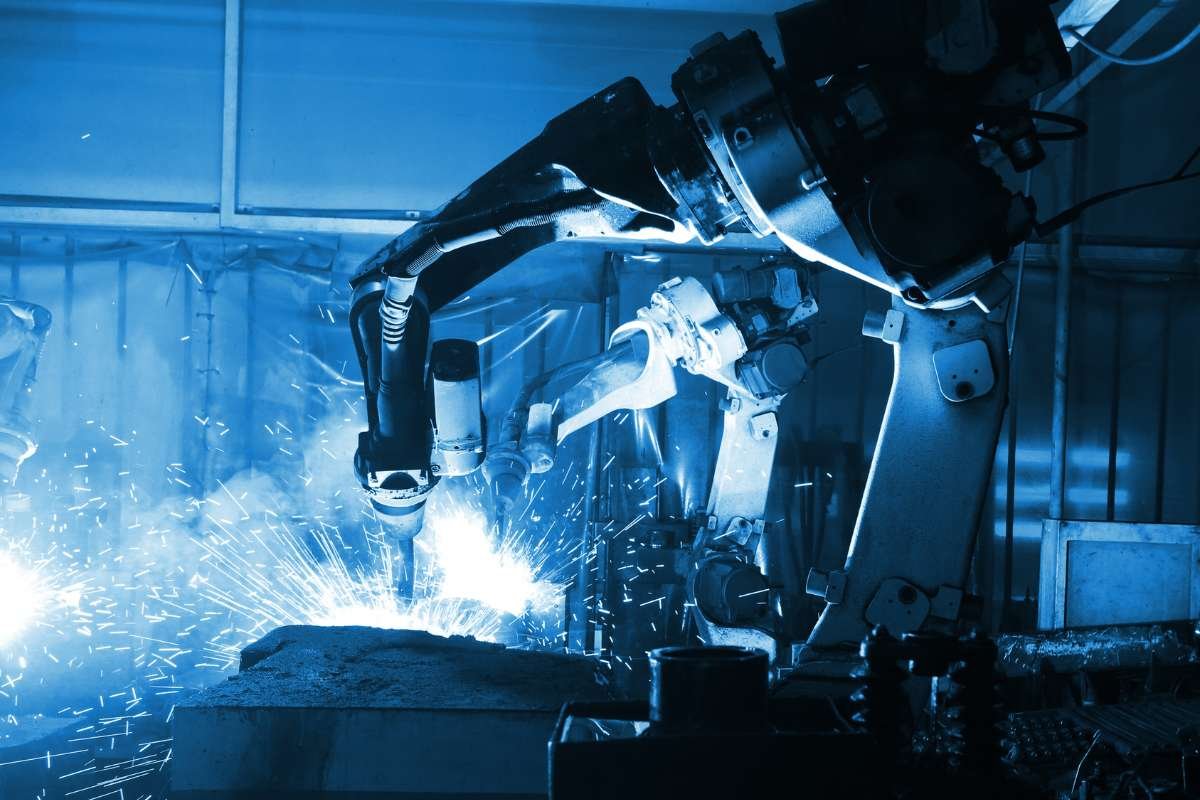
Industrial robot welding is transforming modern manufacturing by bringing unmatched precision, speed, and efficiency to production lines. Unlike manual welding, robotic systems can operate continuously with consistent accuracy, reducing errors and ensuring higher-quality outputs.
From automotive plants to heavy machinery and construction industries, this technology is reshaping how businesses approach large-scale production. In this article, we’ll explore how industrial robot welding is driving innovation and changing the future of manufacturing.
Key Advantages of Industrial Robot Welding
- Precision and Quality
Robots follow exact paths and settings when welding, so every weld is accurate and consistent. This reduces mistakes, scrap, and the need for rework. Consistent welds also make products stronger and more reliable, which is especially important in industries like cars, airplanes, and heavy machinery.
- Speed and Productivity
Robots don’t get tired and can work all day and night. They maintain the same speed and accuracy, which helps factories produce more and finish tasks faster. This allows factories to complete large orders quickly and efficiently.
- Efficiency and Cost Savings
Robots use welding materials like wire, gas, and electrodes carefully, which reduces waste and saves money. They also do repetitive or difficult tasks, which means factories need fewer workers and spend less on wages and overtime.
- Safety Improvements
Welding can be dangerous because of hot sparks, flames, and smoke. Robots can do these risky jobs instead, keeping workers safe from injuries and health problems. They also help factories follow safety rules, which lowers accidents and saves money.
Industrial robot welding improves manufacturing by boosting quality, speed, and safety. It improves product quality, speeds up production, saves money, and creates a safer workplace. This makes robotic welding a smart choice for modern factories.
Applications Across Industries
Industrial robot welding is now a key part of many industries, helping improve precision, efficiency, and safety. Here’s how it’s used in different sectors:
- Automotive Manufacturing
Robots are essential in car production, performing tasks such as spot welding, seam welding, and assembling car structures. They ensure every weld is accurate and consistent, speed up production, and help factories meet strict safety standards.
- Heavy Machinery and Construction Equipment
In construction, robots weld large components like excavator arms, loader buckets, and structural frames. Their precise welds increase the strength and durability of heavy machinery.
- Aerospace and Defense
The aerospace industry needs highly precise welding for parts such as fuselages, pressure vessels, and control surfaces. Robotic systems, including 3D laser welders, ensure the welds are accurate, strong, and reliable.
- Metal Fabrication and Shipbuilding
In shipbuilding, robots are used to assemble hulls and other structural components. They provide deep, uniform welds that are essential for the vessel’s structural integrity. Robotic welding also improves productivity and safety in shipbuilding operations.
- Electronics and Precision Manufacturing
In the electronics industry, robotic welding is used for very small and precise components, such as battery cells, sensor housings, and connectors. Robots deliver accurate and repeatable welds, which are essential for making reliable electronic devices.
Industrial robot welding improves manufacturing by ensuring consistent quality, increasing efficiency, and enhancing safety across industries. Its versatility and adaptability make it a strategic tool for modern manufacturing operations.
How Robotics Drives Innovation in Manufacturing
Robotic welding is a key part of modern manufacturing, enabling greater automation, precision, and adaptability. Here’s how robotics is transforming the industry:
- Automating Complex Welding Tasks
Robotic welding systems handle intricate and detailed welding operations with high precision. They use advanced sensors and real-time monitoring to ensure consistent results, reduce human errors, and improve product quality. These systems can complete many more welds per shift than manual methods and can operate continuously, supporting 24/7 production.
- Integration with AI and Smart Manufacturing
Combining robotics with artificial intelligence (AI) and the Internet of Things (IoT) creates smarter manufacturing systems. AI allows robots to learn and adapt in real-time, optimizing welding settings and spotting issues before they become problems. This leads to predictive maintenance, better coordination across production lines, and reduced downtime.
- Data-Driven Process Optimization
Robotic welding systems collect data through sensors during every operation. Analyzing this data helps identify trends, fine-tune welding parameters, and anticipate maintenance needs. These insights support continuous improvement, ensuring high-quality results while reducing waste.
- Flexibility for Any Production Scale
Modern robotic welders can manage both small custom batches and large-scale production. They can be reprogrammed or equipped with different tools for various tasks, letting manufacturers quickly adjust to changing demands without causing major delays.
Robotic welding is transforming manufacturing by increasing speed, precision, and flexibility. It automates tasks, leverages smart systems and data for process improvement, and allows flexible production to meet different needs.
Future Trends in Industrial Robot Welding
Industrial robot welding is evolving quickly, driven by new technologies and the need for safer, more efficient, and flexible manufacturing. Key trends shaping the future include:
- Collaborative Robots (Cobots) for Safer Human-Robot Work
Cobots are designed to work safely alongside humans. This improves productivity and reduces workplace injuries. Cobots are especially useful for small and medium-sized businesses because they are easy to program, compact, and cost-effective.
- AI and Machine Learning for Predictive Maintenance
AI and machine learning help predict when robots might fail by analyzing data from sensors and past performance. It helps manufacturers prevent downtime and maintain consistent weld quality by addressing issues before they occur.
- Energy-Efficient and Eco-Friendly Systems
Sustainability is becoming a top priority in manufacturing. Modern robotic welders are designed to consume less energy, generate fewer emissions, and minimize material waste. Energy-efficient robotic welders help companies save costs and comply with environmental rules.
- Wider Adoption for Small and Medium Manufacturers
Robotic welding is becoming more accessible to smaller companies. Advances in cobot technology, easy-to-use programming, and modular systems allow SMEs to adopt automation without major investment. This allows small and medium-sized manufacturers to innovate, stay competitive, and expand in the global market.
The future of industrial robot welding is smarter, safer, greener, and more accessible. By combining human collaboration, intelligent maintenance, sustainable practices, and broader access, robotic welding is set to play a central role in modern manufacturing.
Conclusion
Industrial robot welding is transforming modern manufacturing by making production faster, safer, and more efficient. Robots deliver precise and consistent welds, minimize waste, reduce costs, and protect workers. With advances in AI, collaborative robots, and energy-efficient systems, robotic welding is becoming smarter and more accessible for manufacturers of all sizes. As technology continues to advance, robotic welding will help factories increase output, maintain high-quality standards, and adapt quickly to changing production demands.


