Top SMT Assembly Mistakes to Avoid for Perfect PCBs
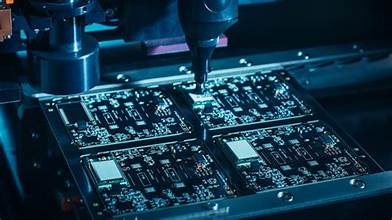
The Surface Mount Technology (SMT) assembly process is an important step in the manufacturing of modern printed circuit boards (PCBs). As electronics evolve, it has become important to pay meticulous attention to detail throughout PCB’s SMT assembly. The following article reflects on the most common SMT assembly faults to avoid, providing insights into essential aspects that contribute to the development of flawless PCBs.

SMT Circuit Board Assembly
- Inadequate Solder Paste Application
The application of solder paste is a foundational step in SMT assembly that is crucial for establishing reliable electrical connections. Excessive or inadequate application can lead to issues like insufficient solder joints or false bridging between components. Therefore, strict adherence to recommended guidelines for solder paste application is imperative, striking an optimal balance for successful soldering during the subsequent reflow process.
Additionally, achieving the right solder paste volume and consistency of the paste is equally important. This includes the selection of the solder paste and stencil design tailored to the specific requirements of the components and assembly process. In this regard, implementing inspection techniques such as Solder Paste Inspection (SPI) becomes invaluable in the identification and rectification of any inconsistencies before advancing to the reflow stage, thus enhancing the overall reliability and quality of the assembly process.
- Incorrect Component Placement
Accurate component placement is the most important factor in SMT PCB assemblyas it directly influences the success of the entire process. Incorrect placement or insufficient clearance can result in thermal challenges, signal integrity issues, and testing difficulties. Thus, adhering to industry standards and design for manufacturability (DFM) principles is crucial. This will help to streamline the assembly process with close collaboration between design and assembly teams, thus ensuring a seamless alignment of the final layout with SMT assembly requirements.
Recognizing a correct component placement requires a comprehensive understanding of the electrical and thermal characteristics of each component. Collaborative efforts between design and assembly teams are vital to ensuring that the layout not only adheres to industry standards but also optimizes signal paths and minimizes thermal challenges.
- Inadequate Thermal Management
Ensuring effective thermal management is crucial, especially in the context of smaller and denser PCB designs. Neglecting thermal considerations can lead to hotspots which may impact PCB performance and reliability. Thus, thorough thermal analyses such as considering component spacing and implementing solutions like heat sinks, are essential for mitigating thermal challenges effectively.
Thermal management should be dynamic. As components continue to shrink in size while increasing in power, innovative cooling solutions including advanced heat sink designs and phase-change materials should be explored.
- Neglecting PCB Inspection and Testing
Rigorous inspection and testing procedures are essential to ensure the quality and reliability of SMT circuit board assembly. One example is Automated optical inspection (AOI) which plays a crucial role in identifying solder joint defects and misplacements. Also, in-circuit testing is vital for verifying PCB functionality and avoiding undetected defects that could compromise overall performance.
Inspection and testing are integral components of the continuous improvement cycle in SMT circuit board assembly. The integration of advanced testing technologies such as X-ray inspection for hidden defects may add an extra layer of assurance to the quality of the assembled PCB.

SMT Assembly
- Lack of Design for Manufacturability (DFM) Integration
The integration of DFM principles at the design phase is important in preventing mistakes in PCB SMT assembly. Neglecting manufacturing constraints during the design process may result in layouts that are challenging to assemble, thus leading to increased production costs and delays.
Collaboration between design and manufacturing teams is a crucial element in ensuring a smooth alignment between the final design and the requirements of SMT assembly, contributing to the overall success of the assembly process. Design teams are encouraged to proactively seek input from manufacturing experts to optimize the design for ease of assembly and cost efficiency. Utilizing tools that facilitate collaborative design reviews can enhance communication between design and manufacturing teams, leading to more robust and manufacturable PCB layouts.
- Ignoring Electrostatic Discharge (ESD) Precautions
SMT components are often sensitive to electrostatic discharge. Neglecting ESD precautions can result in damaged components and compromised functionality throughout the assembly process. Implementing ESD-safe workstations, appropriate packaging, and proper grounding procedures are essential to protect components during the assembly process.
Moreover, ESD mitigation should extend beyond the assembly floor to encompass the entire supply chain. Suppliers should always adhere to ESD-safe practices when handling and shipping components. Employee training on ESD awareness and proper handling procedures is equally crucial to creating a comprehensive ESD control environment.
- Disregarding Component Compatibility
Mixing components with incompatible soldering profiles or thermal characteristics presents significant challenges during the reflow process. To ensure a smooth assembly process and minimize the risk of defects, careful consideration must be given to the selection of components aligned with assembly requirements. Factors such as reflow temperatures, component sizes, and thermal expansion coefficients should be considered.
Besides, component libraries should include accurate information on each component’s thermal and soldering characteristics. Utilizing automated design tools that cross-reference component specifications with assembly requirements can help prevent compatibility issues. Additionally, collaboration with component suppliers to ensure accurate and up-to-date specifications is essential for avoiding pitfalls during the process of SMT assembly.
- Poor Stencil Design and Alignment
The stencil used for solder paste application plays a vital role in the SMT circuit board assembly 30 and any issues with stencil design or misalignment can result in uneven solder paste deposits, leading to soldering defects. Achieving precise stencil design and proper alignment during application are essential for achieving consistent and reliable solder joints. It demands attention to details such as aperture size, shape, and orientation. Investment in laser-cutting for precision and automated stencil alignment systems can further enhance the accuracy of paste deposition, minimizing the likelihood of defects.
- Inconsistent Reflow Profiles
Consistency in reflow profiles is crucial for achieving uniform soldering across all components. Temperature profile variations can result in defects such as tombstoning, solder balling, or insufficient solder joints in assembly. Manufacturers must closely monitor and control the reflow process, ensuring that each PCB undergoes a standardized thermal profile.
Customization of reflow profiles is essential according to specific components and assembly requirements. Real-time monitoring of temperature profiles during reflows, coupled with data analytics, can provide valuable insights into process variations. Continuous refinement of reflow profiles based on empirical data contributes to a more stable and controlled assembly process.
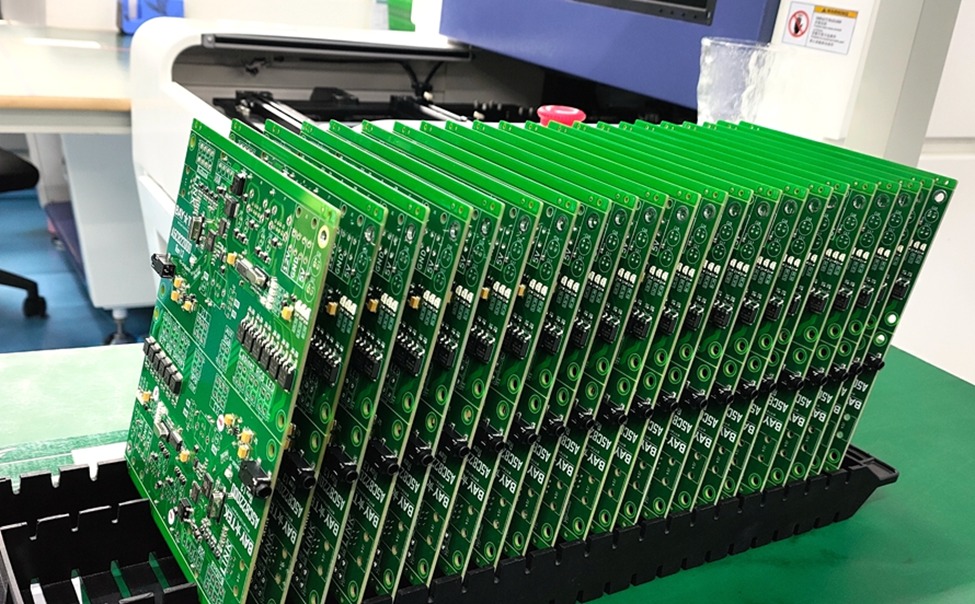
SMT PCB Assembly
- Neglecting SMT Assembly Process Documentation
Proper documentation of the PCB SMT assembly process is crucial for quality control and future reference. Thorough records of assembly parameters, component placement guidelines, and reflow profiles play a pivotal role in facilitating troubleshooting. Therefore, manufacturers should prioritize comprehensive documentation practices to enhance the efficiency and reliability of their SMT assembly processes.
To ensure accessibility and collaboration, documentation practices should extend beyond the assembly floor, creating a centralized repository accessible to all relevant stakeholders. Utilizing digital documentation tools becomes instrumental in streamlining the recording and retrieval of information, contributing to a more efficient workflow.
- Inefficient Rework and Repair Procedures
In the face of defects or issues discovered during testing, inefficient rework and repair procedures can exacerbate problems. To mitigate this, robust rework processes including the proper removal and replacement of components must be established. Neglecting defects can lead to recurring issues and compromise the overall quality of the PCB assembly.
Continuous improvement of rework procedures, based on feedback from testing and inspection, is vital for enhanced overall quality. Rework and repair should be seamlessly integrated into the assembly process as proactive elements, not viewed solely as reactive measures. A well-defined rework strategy necessitates comprehensive training for technicians, clear guidelines for component removal and replacement, and thorough inspection post-rework. By embedding rework processes into the workflow, manufacturers can address issues promptly and effectively.
- Using Outdated Equipment and Technologies
Technological advancements in SMT assembly equipment and processes continually improve efficiency and reliability. Using outdated equipment or relying on obsolete technologies can hinder the assembly process and result in suboptimal PCB quality. Manufacturers should invest in state-of-the-art equipment to keep pace with industry advancements and ensure the highest standards of SMT PCB assembly 90.
Equipment upgrades should be viewed as strategic investments that contribute to long-term competitiveness. Regular assessments of equipment capabilities and benchmarking against industry standards guide decision-making for upgrades. Manufacturers should also consider the scalability and flexibility of new equipment to accommodate evolving assembly requirements and technological advancements.
Conclusion
Achieving perfection in SMT assembly demands a holistic approach that addresses various facets of the assembly process. By avoiding common mistakes such as inadequate solder paste application, poor component placement, and neglecting thermal considerations, designers and manufacturers can enhance the reliability and functionality of the final PCB product. Integration of DFM principles, adherence to ESD precautions, and meticulous documentation further contribute to a flawless SMT assembly process, ensuring the creation of perfect PCBs that meet the highest quality standards. Through continuous improvement and a commitment to best practices, manufacturers can navigate the challenges of SMT assembly and deliver exceptional electronic products to the market.