Crossroads: Choosing Recovery over Addiction
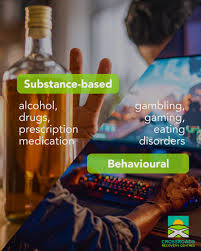
Mental and emotional well-being plays a major role in every part of life, from relationships and work performance to physical health and personal confidence. When challenges such as stress, trauma, depression, or substance dependency begin to interfere with daily life, professional support becomes essential. That is where Behavior Health / Addiction services make a meaningful difference. These services focus on helping individuals understand their struggles, regain stability, and create a healthier future through structured treatment and compassionate care.
Understanding Behavioral Health and Addiction
Behavioral health refers to the connection between behaviors, emotions, habits, and overall mental wellness. It includes conditions such as anxiety, depression, trauma-related disorders, stress management issues, and substance use disorders. Addiction, on the other hand, is a chronic condition where a person becomes dependent on substances or harmful behaviors despite negative consequences.
When combined, behavioral health and addiction treatment addresses both the emotional causes and the physical impact of dependency. This is important because addiction often develops alongside mental health concerns, unresolved trauma, or environmental stress.
Why Early Support Matters
Many people wait too long before seeking help. They may believe the issue will improve on its own or feel embarrassed about asking for support. In reality, early treatment often leads to better outcomes.
Some common signs that professional help may be needed include:
- Difficulty controlling substance use
- Frequent mood swings or emotional distress
- Anxiety or depression affecting daily life
- Relationship conflicts caused by behavior changes
- Isolation from family or friends
- Trouble performing at work or school
- Loss of motivation or self-care habits
Recognizing these warning signs early can prevent deeper challenges and create a smoother recovery journey.
The Link Between Mental Health and Addiction
Mental health struggles and addiction often go hand in hand. Someone dealing with anxiety may turn to alcohol for temporary relief. A person experiencing depression may misuse medication or drugs to escape emotional pain. While these choices may seem to help in the short term, they often worsen symptoms over time.
This is why effective treatment focuses on both conditions together rather than treating only one side of the problem. Addressing emotional health while managing addiction creates stronger and longer-lasting recovery outcomes.
Common Treatment Approaches
Modern treatment programs use a combination of evidence-based methods designed to meet each individual’s needs. These may include:
Individual Counseling
One-on-one therapy helps individuals explore emotional triggers, trauma, habits, and personal goals. It creates a safe place for honest conversations and healing.
Group Therapy
Support groups allow people to connect with others facing similar struggles. Shared experiences often reduce shame and build motivation.
Medical Support
In some cases, detox programs, medication-assisted treatment, or psychiatric support may be recommended to manage withdrawal symptoms or mental health conditions.
Family Therapy
Addiction and behavioral struggles often affect loved ones too. Family counseling can rebuild trust, improve communication, and strengthen support systems.
Lifestyle and Wellness Coaching
Exercise, nutrition, sleep improvement, mindfulness, and stress management all contribute to long-term recovery.
Why Personalized Care Is Important
No two recovery journeys are the same. Some people need intensive inpatient care, while others benefit from outpatient counseling and structured support. Personalized treatment plans consider factors such as:
- Severity of addiction
- Mental health history
- Family environment
- Work and lifestyle responsibilities
- Past treatment experiences
- Personal recovery goals
Customized care increases the chance of success because it treats the whole person, not just the symptoms.
Breaking the Stigma Around Getting Help
One of the biggest barriers to recovery is stigma. Many people fear being judged for seeking therapy or addiction treatment. The truth is that asking for help is a sign of strength, not weakness.
Behavioral health conditions and addiction are medical and psychological challenges, not personal failures. Just as someone would seek treatment for diabetes or heart disease, mental wellness deserves the same level of care and attention.
Building a Strong Recovery Foundation
Recovery does not end after treatment. Long-term success comes from creating healthy routines and ongoing support systems. This can include:
- Continuing therapy sessions
- Attending support groups
- Avoiding harmful environments
- Building positive relationships
- Practicing stress management techniques
- Setting achievable life goals
- Celebrating progress over perfection
Small consistent actions often lead to the biggest long-term changes.
Final Thoughts
Behavior Health / Addiction treatment offers hope, healing, and a practical path forward for those struggling with emotional wellness or substance dependency. With the right support system, professional guidance, and personal commitment, recovery is absolutely possible.
Whether someone is taking the first step or returning to treatment after setbacks, every effort toward healing matters. Seeking help today can create a stronger, healthier tomorrow filled with renewed purpose and stability.