Optimizing Remote Work: Strategies for Effective Digital Workspace Management
Key Takeaways:
- Understanding and adapting digital workspace strategies is crucial for remote work optimization.
- Integrating tailored digital workspace tools is critical to enhancing collaboration and productivity.
- Security, scalability, and analytical insights are fundamental to effective digital workspace management.
- Active support for remote workers is essential for their productivity and well-being.
- Emerging technologies promise to revolutionize the management and efficiency of digital workspaces.
Table of Contents:
- Understanding Digital Workspaces
- Critical Components of a Digital Workspace
- Strategies for Managing Digital Workspaces
- The Role of Analytics in Workspace Management
- Integrating Collaboration Tools
- Maintaining Security in a Digital Workspace
- Supporting Remote Workers
- Future Trends in Digital Workspace Management
Understanding Digital Workspaces
With the modern workplace evolving rapidly, understanding digital workspaces becomes increasingly essential. These virtual environments have revolutionized organizations’ operations, breaking geographical barriers and fostering global collaboration. A digital workspace encompasses the tools needed for team members to carry out their tasks remotely, from accessing corporate databases to engaging in collaborative projects. The transformation from brick-and-mortar offices to digital domains has significantly been expedited by the worldwide shift toward remote working, prompting businesses to cultivate new approaches to oversee these virtual platforms for enhanced performance capably.
Embracing digital workspace tools allows companies to maintain business continuity, operational agility, and a competitive edge. The intrinsic value of digital workspaces lies in their ability to be customized to accommodate the unique needs of various employees, all while promoting collaborative and connected atmospheres that foster innovation and collective problem-solving. These environments are created through cutting-edge technologies, platforms, and management practices designed to streamline dispersed teams’ day-to-day activities.
Navigating the intricacies of these virtual platforms means understanding their myriad benefits and the nuts and bolts—namely, the components and strategic approaches that enable a digital workspace to function smoothly and securely. When thoughtfully managed, digital workspaces can become powerhouses for bolstering employee engagement, fostering seamless cooperation, and significantly strengthening the bottom line of businesses that harness their full potential.
Critical Components of a Digital Workspace
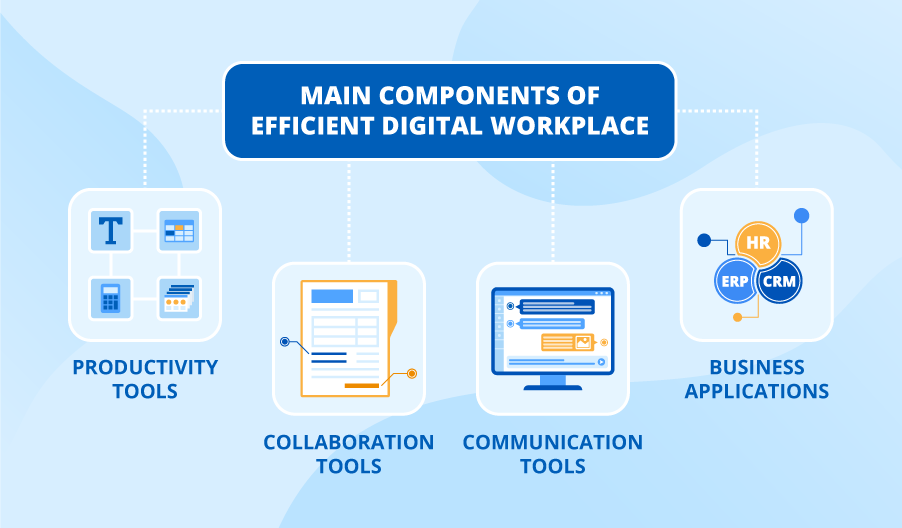
The foundation of any successful digital workspace is built upon several core components. Foremost is the aspect of secure access—every team member should be able to safely reach the tools and information necessary for their role, safeguarding sensitive company data in the process. Additionally, the workspace should facilitate collaborative efforts in various forms, from simultaneous document editing to virtual brainstorming sessions. It must be flexible to cater to individual users’ personalized preferences and requirements.
Communication remains the crucial link that binds team members together within a digital workspace. This encompasses many tools like chat applications, video conferencing software, and comprehensive project management platforms. These components form the lifeblood of remote collaboration, mirroring the dynamics found within physical offices. When selected wisely and integrated effectively, they can emulate the office experience with added advantages such as increased flexibility and cost savings.
Businesses must employ robust digital workspace management solutions that monitor these essential aspects, ensuring they work harmoniously to provide a streamlined and productive user experience. Striking a balance between these components—accessibility, communication, collaboration, and customization—leads to creating an effective digital workspace grounded in employee satisfaction and operational excellence.
Strategies for Managing Digital Workspaces
Managing digital workspaces adeptly calls for the development and execution of holistic strategies that encompass security, scalability, and support. Implementing rigorous access controls and cutting-edge data protection protocols marks the starting point for ensuring a secure virtual work environment. Protecting sensitive information and maintaining user confidentiality must be a top priority, warranting the deployment of robust cybersecurity measures.
The ability of a digital workspace to adapt to rapid changes in business needs and workforce dynamics cannot be overstated. Many organizations turn to cloud-based solutions, which are noted for their exceptional flexibility and scalability in response to fluctuating demands. This adaptability ensures that operations can be scaled up or down with ease, reflecting the organic growth or contraction of the company.
Ongoing support and training for all employees are equally vital, guaranteeing that each workforce member is well-versed in navigating and effectively employing digital tools. This education focus helps minimize technical glitches and downtime, fostering a digitally competent workforce leveraging various available technologies.
The Role of Analytics in Workspace Management
Modern analytics play an integral role in the comprehensive management of digital workspaces by providing insights into application performance, user engagement patterns, and systemic health indicators. Such analytical data is invaluable when making informed decisions about workspace improvements and optimization efforts.
Capturing data that spotlight performance issues, anticipates resource needs, and contributes to a superior user experience enables organizations to be proactive in their management approaches. The current market is teeming with analytics tools and platforms, each with distinct features to cater to the unique demands of businesses of all sizes and industries. Selecting the appropriate analytics solution that aligns with the company’s strategic goals can be a game-changer in workspace administration.
Utilizing these analytics tools effectively facilitates the transformation from reactive problem-solving to a predictive and preemptive management style, dramatically increasing control and predictability within the digital workspace environment.
Integrating Collaboration Tools
Carefully selecting the proper collaboration tools lies at the core of establishing a prolific digital workspace. These applications are instrumental in enabling distributed teams to communicate and cooperate as effectively as if sitting side by side. Ideally, these tools should enhance communication efficiency, enable smooth document collaboration, and provide transparent project management capabilities. Choosing tools that are user-friendly, secure, and highly compatible with existing systems is essential to prevent any negative impact on productivity and team dynamics.
Overcoming Integration Challenges
Once the optimal tools are selected, their integration into the existing workflow represents the next challenge. The chosen solutions must integrate seamlessly with the company’s current systems to ensure no workflow disruptions. This strategic integration is crucial to eradicating barriers to effective communication, thereby significantly advancing productivity and project execution.
Maintaining Security in a Digital Workspace
Given the inherently digital nature of the digital workspace, the exposure to online threats is also increased, making robust security one of the core tenets of digital workspace management. Ignoring security practices can lead to catastrophic results for an organization, including but not limited to data breaches, financial repercussions, and tarnished business reputations.
Vigorous security measures such as employing multi-factor authentication, keeping systems up to date with the latest software patches, and conducting comprehensive cybersecurity training for employees are non-negotiable. These practices serve as a frontline defense against cyber threats and underscore the need for an ongoing review and enhancement of security protocols in step with rising cybersecurity challenges.
Supporting Remote Workers
Remote employees are the lifeblood of digital workspaces, and providing them with ample support is crucial for harnessing their full potential. Recognizing the unique challenges this workforce segment faces—from feelings of professional isolation to the lure of home distractions—is the first step toward crafting effective support strategies. Redefining productivity measures beyond the constraints of a traditional office can also aid in promoting wellness and contentment among remote employees.
Facilitating access to necessary tools, creating crystal-clear communication protocols, and maintaining regular engagement through various digital channels can bolster remote workers’ sense of connection and efficacy. Nurturing an organizational culture that values outcomes over office attendance underscores a modern, human-centric approach to remote work and reflects a thoughtful understanding of work-life integration.
Future Trends in Digital Workspace Management
The landscape of digital workspace management is dynamic; continuous technological advancements and cultural shifts drive it. With artificial intelligence and machine learning poised to refine management processes further, we anticipate that future workspaces will become more automated and hyper-efficient.
Upcoming advancements in cloud technology, security protocols, and collaboration software will undeniably play a pivotal role in determining the future trajectory of how we work and where we work. Staying current with these developments will be indispensable for organizations that seek to remain at the forefront of the digital workspace revolution.
To conclude, navigating digital workspace management’s complex and ever-evolving terrain necessitates a multi-dimensional and proactive approach. As remote and hybrid work models become firmly entrenched in the business landscape, those companies that remain agile and informed about evolving workspace technologies and practices will benefit the most. This journey, although challenging, is essential for businesses that aspire to thrive in the digital era.