Common Causes of Leg Pain
No matter who you are, our body is important to being able to move as we please. It allows us to do all the daily activities such as work or playing. So when there is something that doesnt feel right, it can be alarming and you will want to know what is going on. This is especially true for your legs, a common problem that you may have is leg pain. Leg pain is a prevalent complaint that can significantly impact daily life and mobility. From acute injuries to chronic conditions, such as peripheral vascular disease, understanding the underlying causes of leg pain is crucial for effective management and relief. In this blog, we explore some of the common causes of leg pain, along with strategies for prevention and treatment.
Muscle Strains and Sprains
Muscle strains and sprains are among the most common causes of leg pain, often resulting from overuse, sudden movements, or inadequate warm-up before physical activity. These injuries can lead to discomfort, swelling, and limited range of motion. Rest, ice, compression, and elevation (RICE) therapy, along with gentle stretching and gradual return to activity, can help alleviate symptoms and promote healing.
Overuse and Repetitive Stress Injuries
Overuse and repetitive stress injuries, such as shin splints and stress fractures, commonly affect athletes and individuals engaged in high-impact activities like running and jumping. These injuries result from repetitive stress on the muscles, bones, and connective tissues of the legs, leading to pain, inflammation, and reduced performance. Rest, proper footwear, orthotics, and cross-training can help prevent and manage overuse injuries.
Peripheral Artery Disease (PAD)
Peripheral artery disease (PAD) occurs when narrowed arteries reduce blood flow to the legs, causing pain, cramping, and weakness, especially during physical activity. PAD is often associated with underlying conditions such as atherosclerosis and diabetes. Lifestyle modifications, medication, exercise therapy, and vascular interventions may be recommended to improve blood flow and alleviate symptoms.
Deep Vein Thrombosis (DVT)
Deep vein thrombosis (DVT) occurs when blood clots form in the deep veins of the legs, leading to pain, swelling, and redness. DVT is a serious condition that can result in life-threatening complications such as pulmonary embolism if left untreated. Prompt diagnosis and management with anticoagulant therapy, compression stockings, and lifestyle changes are essential for preventing complications and recurrence.
Sciatica
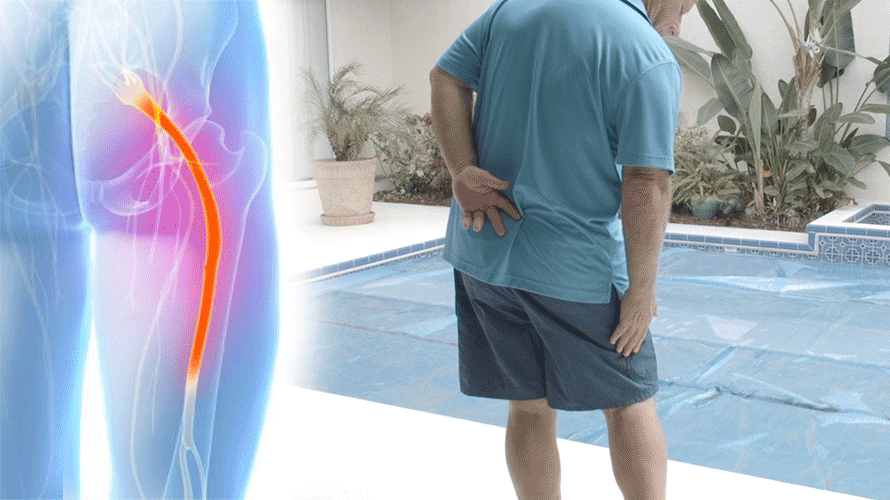
Sciatica is a common cause of leg pain that occurs when the sciatic nerve becomes compressed or irritated, often due to herniated discs, spinal stenosis, or piriformis syndrome. Sciatica typically presents as sharp, shooting pain that radiates from the lower back down the leg, along with numbness, tingling, and muscle weakness. Treatment may include rest, gentle stretching, anti-inflammatory medication, physical therapy, and epidural injections.
Arthritis and Joint Disorders
Arthritis and joint disorders, such as osteoarthritis, rheumatoid arthritis, and gout, can cause inflammation, stiffness, and pain in the joints of the legs, including the knees, hips, and ankles. Management strategies may include medication, physical therapy, joint injections, weight management, and lifestyle modifications to reduce pain and improve joint function.