Why Asbestos Testing Should Be Part of Your Home Maintenance Routine
Asbestos is a mineral that was commonly used in construction materials throughout the 20th century. It’s durable, lightweight, and resistant to heat and fire, which made it a popular ingredient in insulation, flooring, roofing, and other building materials. Unfortunately, asbestos fibers can cause serious health problems when they’re inhaled or ingested, including lung cancer, mesothelioma, and other respiratory diseases. That’s why if you suspect or are unaware of the presence of this dangerous mineral in your home, asbestos testing should be part of your home maintenance routine.
What is Asbestos?
Asbestos is a naturally occurring mineral that has been used in various industrial and commercial applications for several decades. As a result, most homes and buildings that were constructed prior to the 1980s contain some level of asbestos. When the material is disturbed or damaged, it releases asbestos fibers into the air, which can cause several health problems, including lung cancer and mesothelioma.
Importance of Asbestos Testing
Asbestos testing is essential to ensure that your home and family are safe from this harmful mineral. By identifying the presence of asbestos in your home, you can take the necessary steps to remove or mitigate the risks associated with it. However, it’s essential to note that only qualified professionals should perform asbestos testing, and not all building materials need to be removed.
When to Conduct Asbestos Testing
If you live in an older home, it’s critical to conduct asbestos testing, regardless of whether you’re planning to renovate or not. Other signs that indicate asbestos may be present in your home include the appearance of white insulation wrapped around pipes, cracks in walls and ceilings, and tiles or floor covering that is peeling. You should also schedule asbestos testing if you’re experiencing respiratory symptoms such as coughing, shortness of breath, or chest pain.
How Asbestos Testing is Conducted
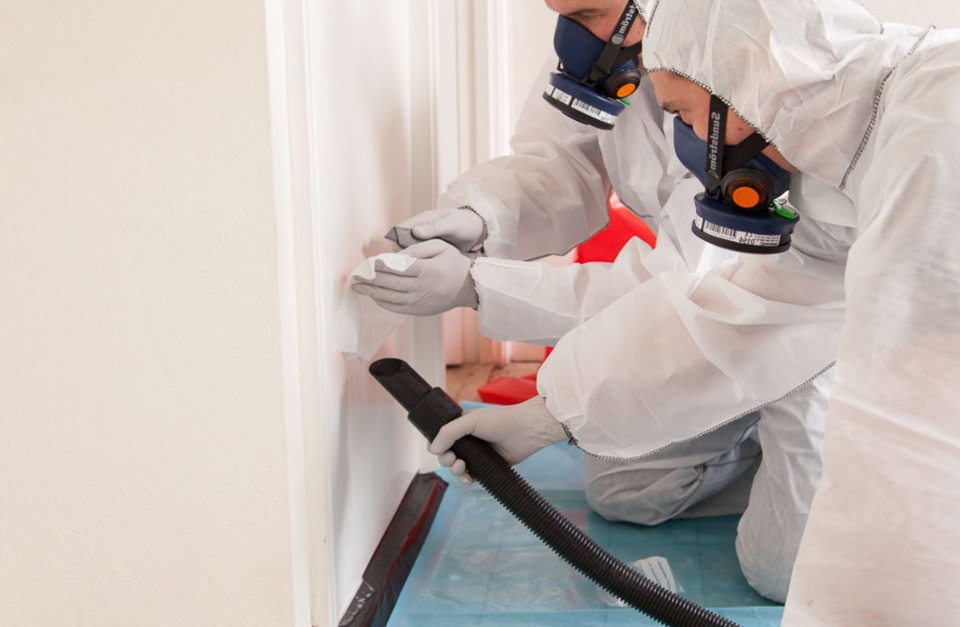
The process of asbestos testing involves taking a sample of the material suspected of containing asbestos and sending it to a laboratory for analysis. Qualified professionals will take multiple samples from different areas of your home to ensure that the results are accurate. Once the laboratory confirms the presence of asbestos in the sample, the professionals will provide you with recommendations on how to address the issue.
What to Do if Asbestos is Present
If asbestos is detected, specific measures must be taken to remove or mitigate the risks associated with it. Asbestos removal should be performed by qualified professionals who are trained in handling asbestos. They will seal off the area to prevent asbestos fibers from spreading and then remove the material safely. Sometimes, it’s not necessary to remove the material containing asbestos, but instead, a qualified professional can seal and encapsulate it to prevent it from releasing the fibers into the air.
Asbestos has been a popular building material due to its durability, fire-resistance, and insulating properties. However, it has been discovered that it also poses a significant health risk to humans when inhaled. Asbestos exposure is linked to several respiratory diseases, including lung cancer and mesothelioma. It is crucial to identify and remove asbestos-containing materials in your home or workplace to prevent health hazards. In this article, we will discuss everything you need to know about asbestos testing.
What is asbestos testing?
Asbestos testing is the process of detecting asbestos fibers in building materials or products. It involves taking samples from areas where asbestos is suspected to exist, such as wallboard, insulation, ceiling tiles, flooring, and adhesive. The samples are analyzed in a lab using specialized equipment to check for the presence and amount of asbestos fibers.
Why is asbestos testing essential?
As mentioned earlier, asbestos exposure can lead to severe health problems. Since asbestos fibers are microscopic and cannot be seen with the naked eye, it is difficult to identify asbestos-containing materials. Asbestos testing is the only reliable way to determine whether a building or product contains asbestos. Once detected, appropriate measures can be taken to remove or encapsulate the asbestos to prevent exposure.
When should you conduct asbestos testing?
Asbestos testing is recommended for any building constructed before 1980, as they are more likely to contain asbestos. Additionally, if you are planning to renovate or demolish a building, asbestos testing is necessary first. Asbestos-containing materials may get disturbed during the process and release harmful fibers into the air. It is also necessary to conduct asbestos testing if you suspect damage to asbestos-containing materials, such as pipes, insulation, or flooring.
How is asbestos testing conducted?
Asbestos testing must be performed by licensed and trained professionals who use specific procedures and guidelines. First, the professionals will conduct a visual inspection and take notes on any areas that may contain asbestos. Then, they will collect samples of materials suspected to contain asbestos using tools such as drills, knives, or tongs. The samples are placed in an airtight container and sent to a certified lab for analysis. The lab will use polarized light microscopy or transmission electron microscopy to determine the presence and amount of asbestos fibers.
What happens after asbestos testing?
If the samples show that the materials contain asbestos, the next step is to develop an asbestos management plan. The plan may include either removal or encapsulation of asbestos-containing materials. It is essential to hire a professional asbestos abatement contractor who is experienced and licensed to carry out the removal or encapsulation. The contractor must comply with state and federal regulations governing safe asbestos removal and disposal.
Conclusion:
Asbestos exposure can have severe health consequences, so it’s crucial to take precautions to protect yourself and your family. If you suspect or are uncertain about the presence of asbestos in your home, contact qualified professionals to conduct asbestos testing. If asbestos is present, take the necessary measures to remove or encapsulate the material to ensure your safety. Asbestos testing should be part of your home maintenance routine to identify any potential health hazards and minimize the risks associated with asbestos exposure.
Asbestos testing is a crucial step in preventing asbestos exposure, which can lead to serious health problems. It is essential to conduct asbestos testing in any building constructed before 1980, where there is a high probability of the presence of asbestos-containing materials. If you are planning to renovate or demolish a building or suspect damage to asbestos-containing materials, asbestos testing is necessary to protect your health and safety. Once asbestos is detected, proper measures must be taken to remove or encapsulate it safely. Remember to hire a licensed and experienced asbestos abatement contractor to ensure compliance with regulations and safe practices.