The Integration of Air Jordans with Sports, Fashion and Culture
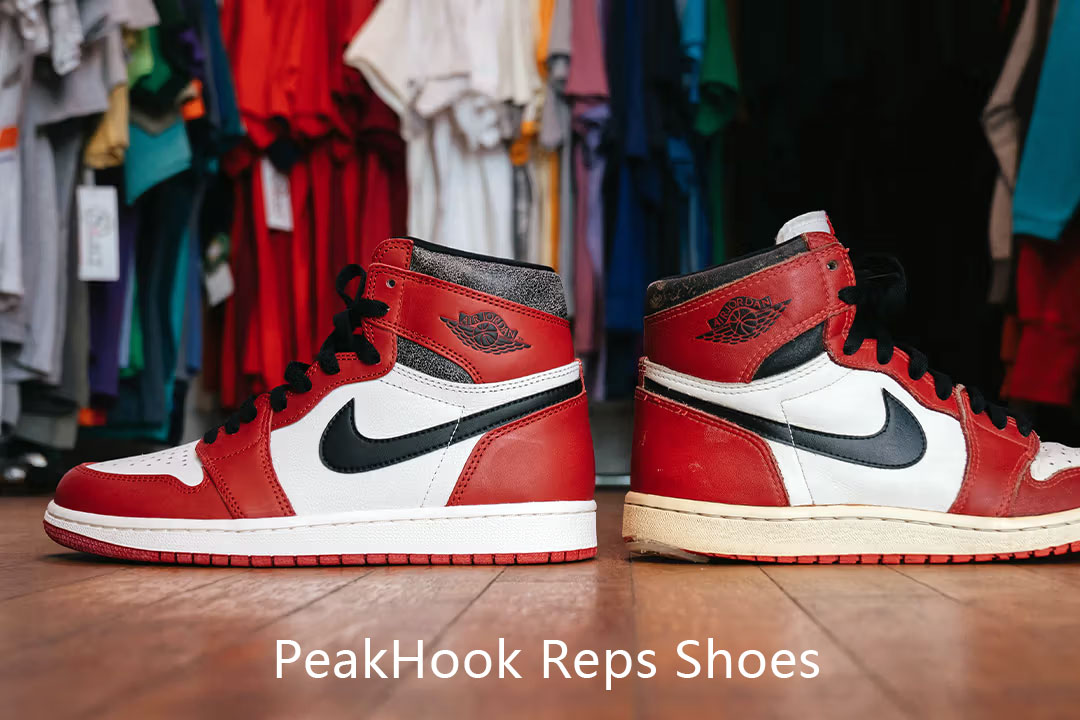
In 1984, after Jordan wore the black and red shoes in a preseason game, the NBA strongly opposed Air Jordan 1. The NBA wrote to Nike, stating that the “red and black Nike basketball shoes…” violated league policies, imposing a $5,000 fine per game. The NBA policy required shoes to be 51% white and consistent with the team’s other members’ attire.
Nike welcomed the controversy and agreed to cover the fines. Kunkel suggests that the company’s investment in unconventional sports shoes increased with the rise in publicity, surpassing the statement against the existing system.
“Expressing personality through unique style, breaking conventions often resonates with people,” Kunkel said. “It’s a rebellious feeling, and the Air Jordan 1 immediately became popular.”
Nike leveraged the controversy to create an advertisement about the NBA’s ban on their sneakers. The “Banned” ad for Air Jordan 1 stated, “On September 15, Nike created a revolutionary new basketball shoe. On October 18, the NBA threw them out of the game. Luckily, they couldn’t stop you from wearing them. Air Jordans. From Nike.”
“Fans wanted to see if he would wear the banned shoes in the game. Cameras were on his sneakers, and the whole nation was talking about Air Jordans. Without the threat of fines, there is no controversy,” Kunkel added. “It was the best money Nike ever invested.”
Kunkel explains that this exclusive investment in athletes redefined athlete endorsements.
“If you wanted to play like Mike, you had to buy his shoes; that’s the message in Nike’s marketing strategy. Consumers believed that buying his shoes could elevate their game. The company gained brand exposure and reputation for launching high-quality products. Thus, they could increase the price of the sneakers. It also provided Jordan with a platform to develop his brand globally,” Kunkel said.
Nike released more ads centered around his sneakers, with filmmaker Spike Lee stating in a 1988 TV commercial, “It’s gotta be the shoes.”
Years later, Nike signed a contract with Jordan, allowing him to receive a 5% royalty fee from each pair of Jordan Brand shoes sold. Kunkel explains that now more brands exchange stocks or equity with athletes to keep them in their companies. Athletes are also getting more involved in the design process of their brands. Jordan’s involvement in shoe design made him happy as a sponsored athlete and contributed to increased sales because consumers felt extra comfort knowing that one of the greatest sports stars had endorsed these shoes.
Therefore, Kunkel suggests that Jordan’s influence paved the way for other sponsored athletes, who, with the power of social media, are gaining more significant power. Athletes with a large social media following are building their platforms and brand communities.
How did AJ expand from the basketball realm to fashion, pop culture, and hip-hop music?
The Jordan brand gradually evolved into a well-known symbol beyond basketball and became a fashion statement in pop culture. Sneakers transformed from sports essentials to iconic casual wear. Air Jordans appeared on TV shows like “The Fresh Prince of Bel-Air,” where Will Smith’s character wore the Grape Air Jordan 5. Air Jordan shoes also featured in movies like “He Got Game,” with Denzel Washington playing Jake Shuttlesworth in Air Jordan 13.
Jordan’s impact on the basketball court also influenced hip-hop culture. His sneaker brand became mainstream in streetwear, worn by hip-hop artists and celebrities in casual settings. 90s rap artists like Notorious B.I.G., Ice Cube, Jay Z, lyrically mentioned Jordan’s sneakers and professional success in their songs. Air Jordan shoes also made appearances in music videos, such as Jay-Z and rapper Kanye West wearing Bred Air Jordan 1 and Varsity Red Air Jordan 6 in the 2011 single “Otis.”
Today, footwear companies frequently collaborate with clothing or other celebrity brands. Rapper Travis Scott collaborated with Jordan Brand and Nike to release multiple sneaker collections, earning him around $10 million annually. Kunkel notes that the rise of sneakers in the fashion industry allows brands to sell shoes at higher prices.
We remind you that there are some Air Jordan replica shoes available on the market now, such as the brand PeakHook, which is of great quality. These replica shoes are produced by foundries and are meant to present a similar look and quality to the original.