Innovative Digital Tools for Healthcare Coordination
The landscape of healthcare is evolving at a rapid pace, driven by a need for efficiency and improved patient outcomes. New paradigms of care coordination are emerging, and at their heart, lie digital tools designed to streamline processes and enhance communication within teams. These tools are the modern-day answer to alert fatigue, fragmented data, and the high stakes of managing patient health in complex environments.
This comprehensive guide takes you through the latest digital innovations in care coordination and what they mean for practitioners and, most importantly, patients. We’ll discuss the challenges these tools address, the technology that powers them, and the potential future of care coordination in a digital age.
In this article:
- Explore how digital tools are revolutionizing the way teams communicate and collaborate, reducing errors and improving patient care.
- Uncover strategies implemented by new technologies to combat the overwhelming amount of notifications clinicians face, focusing on relevant alerts to improve response times and outcomes.
- Delve into the potential advancements in healthcare workforce management, digital care coordination tools, including AI and machine learning, that promise a more integrated and efficient system.
The State of Care Coordination Today
In traditional models, care coordination often relies heavily on manual processes, such as phone calls, faxes, and in-person meetings. This can lead to inefficiencies, delays in care, and, sometimes, crucial information falling through the cracks. The repercussions of these lapses can be stark, affecting both the quality of care patients receive and the bottom line for providers.
The need for improved care coordination has become increasingly clear, and the integration of digital tools is rapidly becoming a necessity rather than a luxury. These tools promise to enhance team communication, increase access to real-time patient data, and allow for a more proactive approach to patient health management.
The Challenges of Traditional Care Coordination
Organizations have long grappled with several key challenges that impede seamless care coordination:
- Silos of Information: Disparate systems and data repositories within and across organizations prevent a single source of truth for patient information, leading to a fragmented view of the patient’s health.
- Lack of Standardization: Without universal standards for data entry and management, interoperability between systems is compromised, making it difficult to share patient information accurately and securely.
- Communication Barriers: Ineffective communication channels and practices hinder the timely exchange of information between team members, which is critical for delivering coordinated care.
- Complex Patient Journeys: Patients often require care from multiple providers across various settings, from hospitals to primary care offices, which adds layers of complexity to care coordination efforts.
Digital Enablers of Enhanced Care Coordination
In the era of digital transformation, the significance of team-centric employment has never been more pronounced. Fortunately, there’s a host of digital tools that are heralding a new era in care coordination. Each of these tools is developed to solve specific problems in the care landscape and is part of a broader strategy to create a more connected health system.
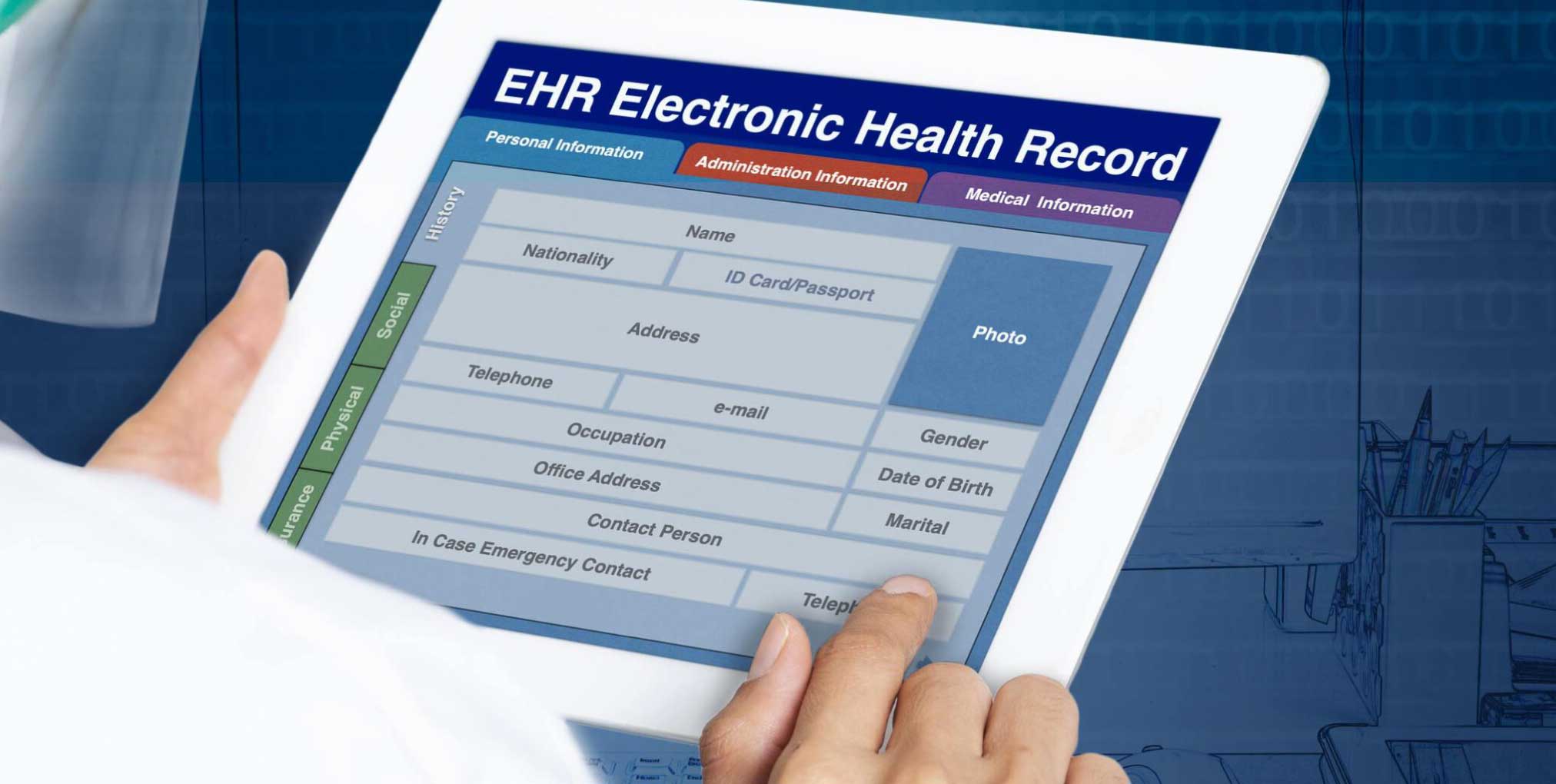
Electronic Health Records (EHRs)
EHRs are the digital equivalent of paper charts used in the industry. They contain a patient’s medical history, diagnoses, medications, treatment plans, immunization dates, allergies, radiology images, and laboratory test results. With the right EHR system, you can get a complete picture of a patient’s health, which can improve care coordination and patient outcomes. Here are the benefits of EHRs for enhancing care coordination:
- Centralized Data Storage: All relevant patient data in one place allows for more accessible and consistent information sharing across an organization and beyond.
- Real-Time Information Access: Providers can access patients’ updated health records in real time, eliminating the need to wait for faxes or paper trails.
- Improved Interoperability: Modern EHRs aim at compatibility with various systems, promoting data exchange while maintaining data security and privacy.
Telemedicine and Telehealth Platforms
Telemedicine and telehealth platforms allow for remote consultations, monitoring, and treatment. These can be invaluable tools for coordination when patients cannot easily visit facilities. Some of the key advantages include:
- Expanded Access to Care: Particularly for rural or remote areas, telehealth extends the reach of services, making coordinated care possible over great distances.
- Reduced Hospital Readmissions: Remote monitoring can prevent complications and reduce the need for patients to return to the hospital after discharge.
- On-Demand Specialist Consultations: With telehealth, specialists can be consulted quickly, potentially expediting diagnoses and treatment plans, which is especially helpful when time is of the essence.
Health Information Exchange (HIE)
HIE is the electronic mobilization of health care information across organizations within a region, community, or hospital system. In essence, HIE makes it possible to share patient information securely and in a timely manner. The impact of HIE on care coordination is significant:
- Inter-Organizational Communication: It allows for the seamless exchange of patient information between providers, irrespective of the health systems they operate within.
- Reduction in Duplicative Testing: By having access to a patient’s comprehensive health history, providers can avoid ordering redundant tests, which saves time and resources.
- Improved Continuity of Care: Timely access to a patient’s medical data supports better coordination among providers, leading to improved care continuity.
Mobile Health Apps and Wearables
Mobile health applications and wearable devices have brought important health information and tracking into the everyday lives of patients. They allow for patient engagement and self-care management, with the added benefit of transmitting this information to providers as part of care coordination efforts. The ways in which apps and wearables influence care include:
- Patient Empowerment: Tools that allow patients to monitor their health status can lead to more informed decision-making and engagement in their care plans.
- Remote Monitoring: Health data from these devices can be transmitted to providers, giving them a more comprehensive view of the patient’s health and, in some cases, detecting patterns or issues early.
- Chronic Disease Management: Wearables and apps support the day-to-day management of chronic conditions, with the potential to reduce the frequency of in-person appointments.
Future Trends in Digital Care Coordination
The fast-paced nature of technological advancements ensures that the landscape of digital care coordination is constantly evolving. Looking to the future, several emerging trends are likely to further revolutionize how teams coordinate and manage care.
Artificial Intelligence (AI) and Machine Learning
AI and machine learning are poised to usher in a new era of predictive analytics and personalized medicine. These technologies can process vast amounts of patient data to identify patterns, suggest treatment options, and predict health outcomes. In the context of care coordination, AI and machine learning can:
- Assist with Decision Making: By analyzing data, these technologies can assist professionals in making more informed decisions about patient care.
- Predict and Prevent Adverse Events: AI models can flag potential issues or deteriorations in patient health, prompting early interventions that could prevent a crisis.
- Customize Care Plans: By considering an array of patient data, AI can help develop more personalized care plans suited to the individual’s health profile.
Blockchain in Healthcare
Blockchain technology offers a decentralized approach to storing and managing health records. By creating a secure and unalterable ledger, it has the potential to solve some of the most pressing issues in health data management:
- Enhanced Data Privacy and Security: Blockchain’s design ensures that patient data is secure and can only be accessed by authorized parties, which is vital for maintaining patient confidentiality.
- Streamlined Data Sharing: Providers can securely share patient records across systems without the need for intermediaries, simplifying and expediting the sharing process.
- Patient-Controlled Health Records: Patients are given greater control over their health data, determining who can access it and for what purpose, potentially improving engagement and trust.
The Bottom Line
The integration of technology in healthcare represents a pivotal shift towards more coordinated, efficient, and patient-centered care. From telemedicine to AI, the advancements discussed highlight the potential for improved outcomes, enhanced patient engagement, and a reduction in overall costs. While challenges remain, particularly around equitable implementation and privacy concerns, the future of digital care coordination is promising. For those seeking further insights into this dynamic field, additional resources and information are available at StaffStat. This website offers a deeper exploration into the innovations and trends shaping the future of coordination.