Improve Home Safety With a Proper Water Pressure Regulator
Water pressure is something most homeowners rarely think about—until a burst pipe, leaking faucet, or damaged appliance reminds them. Excessive water pressure can cause serious damage to your plumbing system, appliances, and even compromise the safety of your home. Installing a water pressure regulator is a simple yet effective way to protect your home and family while improving water efficiency. This guide explains how water pressure regulators work, why they’re essential for home safety, and how to choose the right one.
What Is a Water Pressure Regulator?
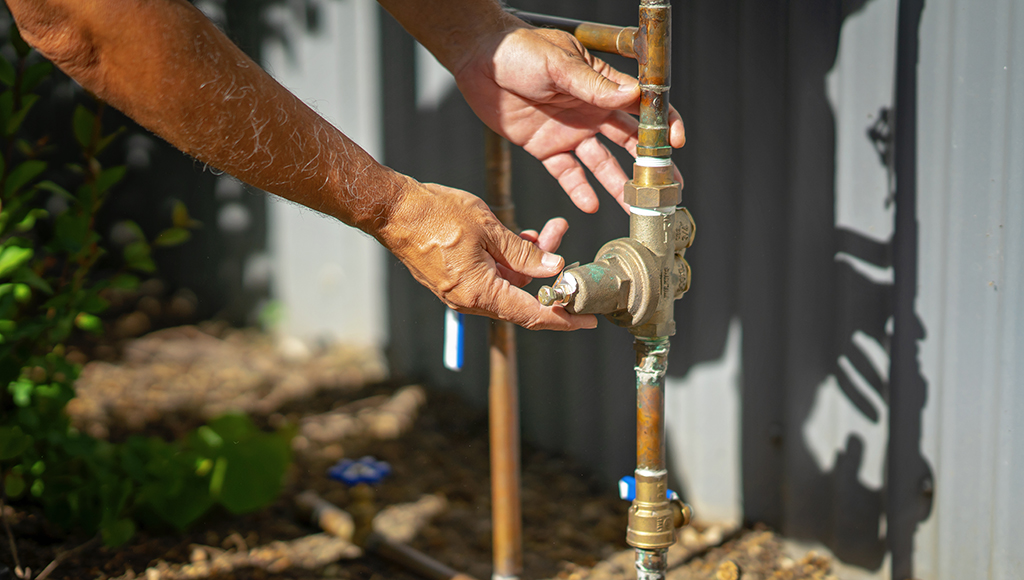
A water pressure regulator, also called a pressure-reducing valve (PRV), is a device installed on your home’s main water line that controls the pressure of water entering your plumbing system. Municipal water systems often deliver water at high pressures, sometimes exceeding 80 pounds per square inch (psi), which can be harmful to home plumbing.
The regulator ensures that water pressure remains at a safe, consistent level—usually between 40–60 psi—protecting pipes, fixtures, and appliances from damage. In addition to safety, pressure regulators can save water, reduce energy consumption, and extend the lifespan of your plumbing system.
How Excessive Water Pressure Poses Safety Risks
High water pressure may seem harmless at first, but it can lead to several safety and structural problems:
- Burst Pipes and Water Damage
Pipes under excessive pressure are more likely to leak or burst. A single pipe failure can lead to thousands of dollars in property damage, mold growth, and structural issues. - Appliance Damage
Dishwashers, water heaters, and washing machines are designed for specific water pressures. Excess pressure can shorten their lifespan, cause leaks, and increase repair costs. - Scalding Risk
High pressure can cause sudden temperature spikes in water heaters, increasing the risk of burns or scalds, particularly for children and the elderly. - Fittings and Fixture Damage
Faucets, valves, and showerheads can fail under excessive pressure, leading to leaks or sudden detachments that can cause injury or water damage.
By installing a water pressure regulator, homeowners mitigate these risks and ensure that water flows safely throughout the home.
How Water Pressure Regulators Work
A water pressure regulator functions by automatically reducing the incoming water pressure from the main supply line to a level that is safe for your home.
- Spring Mechanism: Most regulators use a spring-loaded diaphragm to control water flow. As water enters the valve, the spring compresses or releases, maintaining consistent downstream pressure.
- Adjustability: Many models allow you to adjust the output pressure according to your home’s needs. This is particularly useful if your home has sensitive appliances or fixtures.
- Automatic Pressure Stabilization: Regulators continuously respond to fluctuations in city water pressure, protecting your home even during peak demand periods.
This simple yet effective mechanism ensures that water pressure remains steady, reducing the likelihood of leaks, pipe bursts, or appliance damage.
Signs You May Need a Water Pressure Regulator
Not every home comes equipped with a pressure regulator, and even if one is installed, it may wear out over time. Here are some common signs that you might need a new or replacement regulator:
- Banging Pipes: Loud knocking or hammering noises in your pipes, known as water hammer, are a classic sign of high pressure.
- Leaking Faucets or Valves: Dripping fixtures may indicate that your pressure is too high for the system.
- Short Appliance Lifespan: Frequent dishwasher or water heater repairs can be caused by excessive pressure.
- Pressure Fluctuations: Inconsistent water flow from faucets and showers may suggest a failing regulator.
Recognizing these warning signs early can prevent expensive repairs and protect your home’s plumbing.
Choosing the Right Water Pressure Regulator
Selecting the right pressure regulator depends on several factors, including your home’s plumbing system, municipal water pressure, and usage needs. Consider the following:
- Flow Rate
The regulator should be able to handle the peak flow demand in your home. Larger homes or properties with multiple bathrooms may require a higher-capacity regulator. - Pressure Range
Most homes operate safely at 40–60 psi. Ensure the regulator allows you to adjust within this range. - Material and Durability
Regulators made from brass, stainless steel, or other corrosion-resistant materials last longer and provide more reliable pressure control. - Adjustable vs. Fixed
Adjustable regulators allow homeowners to fine-tune water pressure, whereas fixed regulators provide a set pressure. Adjustable models are often preferred for long-term flexibility. - Maintenance Requirements
Some regulators require periodic cleaning or diaphragm replacement. Check manufacturer recommendations for ongoing upkeep.
Choosing the right model ensures both safety and optimal performance for your home’s water system.
Installation Considerations
Installing a water pressure regulator is generally straightforward, but placement and professional installation are key for effectiveness:
- Main Water Line Location: The regulator should be installed on the main water line before it branches off to individual fixtures. This ensures the entire home is protected.
- Accessibility: Place the regulator in a location where it can be easily accessed for maintenance or adjustments.
- Professional Installation: While some homeowners with plumbing experience can install regulators themselves, hiring a licensed plumber ensures proper placement, pressure calibration, and compliance with local codes.
- Bypass Options: Some systems include a bypass valve for maintenance or emergency situations, which adds convenience and safety.
Proper installation guarantees that your water pressure regulator functions effectively and reduces the risk of future plumbing issues.
Maintenance Tips for Longevity
Like any plumbing device, water pressure regulators require maintenance to perform optimally:
- Regular Pressure Checks
Use a pressure gauge to monitor water pressure at least once a year. Sudden changes may indicate a failing regulator. - Inspect for Leaks
Check the area around the regulator for drips or corrosion. Even minor leaks can compromise pressure control. - Clean or Replace Diaphragm
Over time, debris and sediment can affect the diaphragm inside the regulator. Cleaning or replacing it ensures consistent performance. - Adjust Pressure Carefully
If your regulator is adjustable, make incremental changes and test water flow to avoid over-pressurizing your system.
Routine maintenance ensures long-term protection for your plumbing and home appliances.
Benefits Beyond Safety
While safety is the primary reason to install a water pressure regulator, there are additional benefits homeowners can enjoy:
- Reduced Water Waste: Controlled pressure prevents excessive water flow, reducing unnecessary water use.
- Lower Energy Bills: Appliances like water heaters operate more efficiently under optimal pressure, saving energy.
- Extended Appliance Lifespan: Regulated pressure prevents damage to washers, dishwashers, and water heaters.
- Improved Comfort: Consistent pressure ensures steady water flow in showers, faucets, and irrigation systems.
The right regulator not only protects your home but also contributes to sustainability and cost savings.
Common Mistakes Homeowners Make
Avoid these common mistakes when dealing with water pressure:
- Ignoring Water Pressure Issues: Many homeowners overlook high pressure until damage occurs.
- DIY Installation Without Experience: Incorrect installation can cause leaks, damage, or ineffective regulation.
- Neglecting Maintenance: Regulators may fail over time without proper upkeep, leaving the home vulnerable.
- Using Low-Quality Regulators: Cheap models may not provide consistent pressure control or last as long.
Being proactive and informed prevents costly mistakes and ensures lasting home safety.
Making the Right Choice for Your Home
A water pressure regulator is an essential component of a safe and efficient plumbing system. By selecting a high-quality regulator, having it installed properly, and maintaining it regularly, homeowners can prevent leaks, pipe bursts, and appliance damage. Beyond protection, a regulator saves water, reduces energy use, and ensures consistent water flow throughout the home.
Investing in a reliable water pressure regulator is a small step that yields significant benefits, safeguarding your home and family for years to come.