Fake IDs and College Culture: What Every Student Should Know
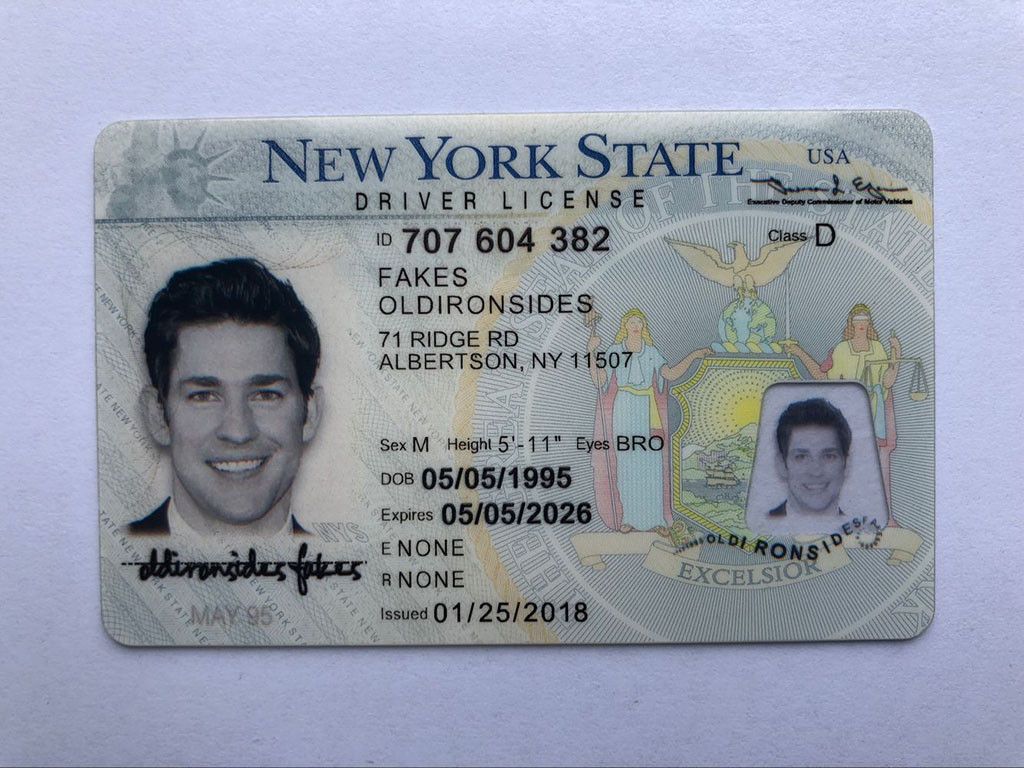
The integration of fake IDs into college culture has become a topic of considerable debate and concern. For many students, the transition to college life brings new freedoms and the temptation to explore adult privileges before reaching the legal age. This article delves into the implications of fake ID usage within the college environment, highlighting the need for awareness and responsible decision-making.
The Role of Fake IDs in College Life
Access to Restricted Venues and Activities
Fake IDs often serve as a passport to activities and venues otherwise restricted by age, such as bars, clubs, and alcohol purchases. While this may seem like an attractive shortcut to social integration and fun, it comes with significant risks.
The Perception of a Rite of Passage
Within some college communities, acquiring a fake driver’s license or ID is viewed as a rite of passage—a step towards adulthood and independence. This perception can pressure students into participating in activities that jeopardize their safety and future.
The Consequences of Using Fake IDs
Legal Ramifications
The legal consequences of using a fake ID vary by state but can include fines, community service, and even jail time. These penalties can have a lasting impact on a student’s academic and professional future.
Academic and Disciplinary Actions
Many colleges and universities have strict policies against the use of fake IDs, which can lead to academic probation, suspension, or expulsion. The implications extend beyond the legal system, affecting a student’s academic standing and career prospects.
Navigating the Pressures
Promoting Open Dialogue
Creating an environment where students feel comfortable discussing the pressures and temptations they face, including the use of fake IDs, can lead to more informed decision-making. Open dialogue can also provide a platform for sharing experiences and consequences, serving as a deterrent.
Education and Awareness Programs
Colleges can play a pivotal role in educating students about the legal, academic, and personal risks associated with fake IDs. Orientation sessions, workshops, and campaigns can all contribute to raising awareness.
Alternatives to Fake ID Usage
Inclusive Campus Activities
Promoting inclusive, age-appropriate campus activities offers a viable alternative to venues that require an ID for entry. Such events can fulfill the desire for social interaction without the risks associated with fake IDs.
Community Engagement
Encouraging students to engage in community service or join clubs and organizations can provide a sense of belonging and fulfillment, reducing the allure of accessing age-restricted venues.
Conclusion
The issue of fake IDs in college culture is multifaceted, encompassing legal, ethical, and social dimensions. By understanding the implications and exploring alternatives, students can navigate the pressures of college life without compromising their safety, integrity, or future opportunities. Education and open dialogue are key to changing perceptions and making informed choices that steer clear of the risks associated with fake IDs.