Comprehensive Guide to Ecommerce Marketing
Ecommerce marketing encompasses a range of strategies aimed at promoting online stores and driving sales. It involves utilizing digital channels to reach potential customers, enhance brand awareness, and increase conversions. Key components of ecommerce marketing include search engine optimization (SEO), pay-per-click advertising (PPC), social media marketing, email marketing, and content marketing.
Search Engine Optimization (SEO)
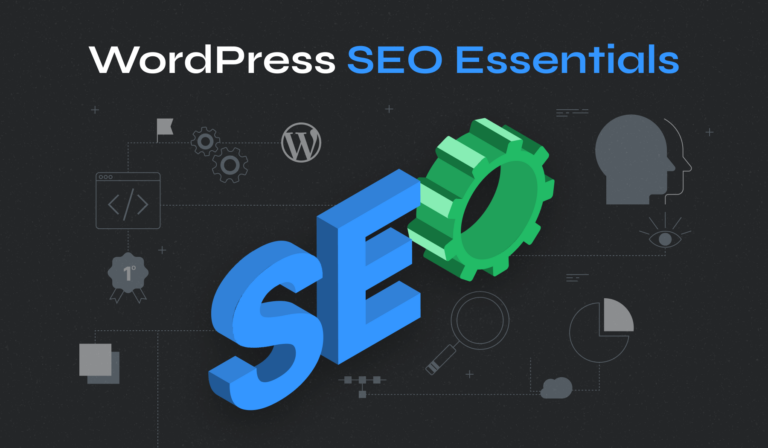
SEO is crucial for improving a website’s visibility on search engines like Google. By optimizing website content, structure, and technical aspects, businesses can achieve higher rankings in search results, leading to increased organic traffic. For ecommerce websites, SEO involves optimizing product pages, category pages, and blog content to target relevant keywords that potential customers are searching for. This process includes on-page optimization, such as meta tags and headings, as well as off-page strategies like building high-quality backlinks.
Pay-Per-Click Advertising (PPC)
PPC advertising allows businesses to display ads on search engines and other platforms, paying a fee each time the ad is clicked. This method provides immediate visibility and can be highly effective for driving targeted traffic to an ecommerce site. Platforms like Google Ads enable businesses to bid on keywords relevant to their products, ensuring that their ads appear when potential customers search for those terms. Effective PPC campaigns require careful keyword research, compelling ad copy, and optimized landing pages to maximize return on investment.
Social Media Marketing
Social media platforms offer opportunities for ecommerce businesses to engage with their audience, build brand awareness, and promote products. By creating and sharing content tailored to the interests of their target market, businesses can foster a community around their brand. Platforms like Facebook, Instagram, and Pinterest are particularly effective for showcasing products through images and videos. Additionally, social media advertising allows for precise targeting based on demographics, interests, and behaviors, making it a powerful tool for reaching potential customers.
Email Marketing
Email marketing remains a valuable channel for nurturing customer relationships and driving repeat sales. By sending personalized and relevant content, businesses can keep their audience informed about new products, promotions, and other updates. Segmenting email lists based on customer behavior and preferences enables more targeted communication, increasing the likelihood of engagement and conversions. Automated email campaigns, such as abandoned cart reminders and post-purchase follow-ups, can further enhance the customer experience and boost sales.
Content Marketing
Content marketing involves creating and distributing valuable content to attract and engage a target audience. For ecommerce businesses, this can include blog posts, videos, infographics, and guides related to their products or industry. High-quality content can establish a brand as an authority in its field, improve SEO rankings, and provide value to customers, ultimately driving traffic and sales. By addressing common questions and pain points through content, businesses can build trust with their audience and guide them through the purchasing journey.
The Role of an Ecommerce Marketing and SEO Agency
Partnering with a specialized agency can provide ecommerce businesses with the expertise and resources needed to implement effective marketing strategies. An ecommerce marketing and SEO agency offers services such as website optimization, content creation, campaign management, and analytics tracking. By leveraging the agency’s knowledge and experience, businesses can achieve better results and focus on other aspects of their operations.
Edkent Media: A Leading Ecommerce Marketing Agency
Edkent Media is a prominent digital marketing agency specializing in ecommerce marketing and SEO services. With a client-centric approach, they develop customized strategies tailored to each business’s unique needs and goals. Their services include search engine optimization, pay-per-click advertising, social media management, and web design, all aimed at driving traffic, increasing sales, and growing online stores. Edkent Media’s transparency and proven track record have earned them recognition as a leading digital marketing company in Canada.
Ecommerce SEO: Enhancing Online Visibility
Ecommerce SEO focuses on optimizing online stores to rank higher in search engine results, making it easier for potential customers to find products. This involves keyword research to identify terms shoppers use, optimizing product descriptions, improving site architecture for better navigation, and ensuring mobile-friendliness. Technical SEO aspects, such as page load speed and secure connections (HTTPS), also play a significant role in enhancing user experience and search rankings.
Choosing the Right Ecommerce SEO Company
Selecting a reputable ecommerce SEO company is crucial for achieving desired outcomes. Factors to consider include the company’s experience, client testimonials, range of services, and approach to transparency and communication. A reliable SEO partner will provide regular reports, maintain open communication, and demonstrate a commitment to understanding and achieving your business objectives.
Edkent Media’s Ecommerce SEO Services
As an experienced ecommerce SEO company Edkent Media offers comprehensive services designed to improve online store visibility and performance. Their strategies encompass on-page optimization, technical SEO, content marketing, and link building, all tailored to the specific needs of ecommerce businesses. By focusing on driving organic traffic and enhancing user experience, Edkent Media helps clients achieve higher search rankings and increased sales.
Integrating Multiple Marketing Channels
A successful ecommerce marketing strategy often involves integrating multiple channels to reach a broader audience and reinforce messaging. Combining SEO, PPC, social media, email, and content marketing creates a cohesive approach that maximizes reach and effectiveness. For instance, insights gained from PPC campaigns can inform SEO strategies by identifying high-converting keywords, while content created for the website can be repurposed for social media platforms to engage followers.
Measuring and Analyzing Performance
Regularly measuring and analyzing the performance of marketing efforts is essential for continuous improvement. Key performance indicators (KPIs) such as website traffic, conversion rates, bounce rates, and return on ad spend provide valuable insights into the effectiveness of strategies. Utilizing tools like Google Analytics and marketing dashboards enables businesses to track these metrics, identify areas for improvement, and make data-driven decisions to enhance their marketing efforts.
Staying Updated with Industry Trends
The digital marketing landscape is constantly evolving, with new tools, platforms, and techniques emerging regularly. Staying updated with industry trends is essential for maintaining a competitive edge. For ecommerce businesses, this includes adopting emerging technologies like artificial intelligence (AI) for personalized recommendations, leveraging chatbots for customer service, and exploring new advertising platforms to reach untapped audiences.
The Importance of Mobile Optimization
With the increasing prevalence of mobile shopping, optimizing ecommerce websites for mobile devices is more important than ever. Mobile optimization involves ensuring that websites are responsive, load quickly, and provide a seamless user experience across devices. By prioritizing mobile-friendliness, businesses can cater to the growing number of mobile shoppers and improve their chances of converting visitors into customers.
Harnessing the Power of Data
Data plays a critical role in shaping ecommerce marketing strategies. By analyzing customer behavior, preferences, and purchasing patterns, businesses can gain valuable insights into what drives conversions. Advanced analytics tools enable businesses to track user journeys, identify bottlenecks, and optimize their websites and campaigns for better performance. Leveraging data effectively allows businesses to make informed decisions and tailor their marketing efforts to meet customer needs.
Creating a Seamless Customer Experience
A seamless customer experience is essential for building brand loyalty and driving repeat sales. This involves providing clear and intuitive navigation, detailed product information, easy checkout processes, and responsive customer support. By focusing on user experience, businesses can reduce friction in the purchasing journey and create a positive impression that encourages customers to return.
Leveraging Reviews and Testimonials
Customer reviews and testimonials are powerful tools for building trust and credibility. Positive reviews can influence potential buyers and reassure them about the quality of a product or service. Encouraging satisfied customers to leave reviews and showcasing them on product pages can significantly impact purchase decisions. Additionally, responding to reviews—both positive and negative—demonstrates a commitment to customer satisfaction.
Personalization in Ecommerce Marketing
Personalization involves tailoring marketing messages and experiences to individual customers based on their preferences and behavior. By leveraging data and automation, businesses can deliver personalized recommendations, targeted promotions, and customized content. Personalization enhances the customer experience and increases the likelihood of conversions by making customers feel valued and understood.
Ecommerce marketing is a multifaceted discipline that requires a combination of strategies to drive success. From SEO and PPC to social media and content marketing, each component plays a vital role in attracting, engaging, and converting customers. Partnering with an experienced ecommerce marketing and SEO agency, such as Edkent Media, can provide businesses with the expertise and resources needed to achieve their goals. By focusing on creating a seamless customer experience, leveraging data effectively, and staying updated with industry trends, businesses can thrive in the competitive ecommerce landscape.