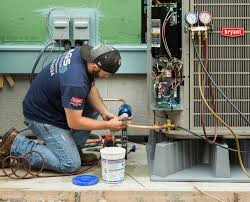
The Role of Plumbers Cameras in Modern Plumbing

Introduction
Plumbing is an essential part of our daily lives, providing us with access to clean water and efficient wastewater disposal. The health and safety of our homes and the environment rely on well-maintained plumbing systems. In recent years, technological advancements have played a pivotal role in improving the way plumbers work. One such innovation that has revolutionized the plumbing industry is the Plumbing Camera. In this article, we will delve into the significance of Plumbing Cameras in modern plumbing practices, focusing on how they have transformed the industry.
Understanding Plumbing Cameras
Before delving into the role of Plumbing Cameras in modern plumbing, it’s crucial to understand what these devices are and how they work.
Plumbing Camera, also known as sewer inspection cameras or drain cameras, are specialized tools used by plumbers to inspect the interior of pipes, drains, and sewer lines. These cameras are designed to be small, waterproof, and highly flexible, allowing them to be inserted into plumbing systems to capture real-time visuals of the interior. Equipped with high-resolution cameras, LED lighting, and the ability to record footage, Plumbing Cameras have become invaluable assets for plumbers.
The Evolution of Plumbing Inspection
Plumbing inspections have come a long way from the traditional, often guesswork-based methods to the precise, technology-driven processes of today.
The Traditional Approach
In the past, plumbers relied heavily on their experience and intuition to diagnose plumbing issues. Physical inspections were common, often requiring plumbers to dismantle pipes or fixtures to identify the problem. This approach was not only time-consuming but also costly and sometimes ineffective, resulting in unnecessary repairs and property damage.
The Advent of Plumbing Cameras
The introduction of Plumbing Cameras has been a game-changer for the plumbing industry. These devices provide plumbers with a visual window into the interior of pipes and drains. The key features of Plumbing Cameras, such as high-resolution imaging, flexibility, and real-time monitoring, have significantly improved the accuracy of inspections.
The Significance of Plumbing Cameras
Plumbing Cameras play a vital role in modern plumbing practices for several reasons:
Precise Diagnoses
The high-resolution imaging provided by Plumbing Cameras allows plumbers to accurately diagnose plumbing issues. Whether it’s identifying cracks, blockages, or leaks, these devices offer a level of precision that was previously unattainable. This accuracy ensures that plumbers can address the exact problem, reducing the likelihood of misdiagnosis.
Minimized Property Damage
Traditional plumbing inspections often involved invasive methods like breaking walls or excavating yards to locate and fix issues. Plumbing Cameras enable non-destructive inspections, as they can pinpoint the exact location and nature of the problem without extensive property damage. This not only saves homeowners money but also preserves the integrity of their properties.
Enhanced Safety
Using Plumbing Cameras has made plumbing safer for both plumbers and homeowners. Plumbers no longer need to enter confined and potentially hazardous spaces to diagnose issues. This reduces the risk of exposure to harmful substances, such as mold and asbestos, commonly found in such environments.
Applications of Plumbing Cameras
Plumbing Cameras have a wide range of applications, making them versatile tools for plumbers:
Detecting Hidden Leaks
Plumbing Cameras are invaluable in identifying hidden leaks that may not be visible to the naked eye. For instance, a small, concealed leak within a wall can lead to water damage over time. Plumbing Cameras can locate such leaks swiftly, preventing extensive property damage.
Uncovering Blockages
Blockages in pipes and sewer lines are common plumbing issues. Plumbing Cameras can navigate through narrow pipes and detect the source of the blockage, whether it’s caused by debris, tree roots, or other obstructions. This allows plumbers to take the most appropriate and cost-effective action.
Assessing Overall Pipe Condition
Regular inspections using Plumbing Cameras can help assess the overall condition of a plumbing system. Identifying potential issues before they escalate can save homeowners money and prevent unexpected plumbing emergencies.
The Mysterious Blockage
A homeowner experienced recurrent sewer backups, which not only caused inconvenience but also raised health concerns. A plumber used a Plumbing Camera to inspect the sewer line. The camera revealed a severe blockage caused by invasive tree roots. The plumber was able to pinpoint the exact location of the problem, facilitating the removal of the roots and preventing further backups.
The Silent Leak
Another homeowner noticed a sudden increase in their water bill, even though there were no visible signs of a leak. Instead of resorting to invasive methods, a plumber employed a Plumbing Camera to inspect the water pipes. The camera revealed a small, hidden leak within the wall. This precise diagnosis saved the homeowner from extensive property damage and high repair costs.
Conclusion
Plumbing Cameras have become integral to modern plumbing practices, offering precise diagnoses, reducing property damage, and enhancing safety. Their applications in detecting hidden leaks, uncovering blockages, and assessing overall pipe condition have transformed the way plumbing issues are addressed. The case studies presented highlight the real-life impact of Plumbing Cameras in resolving common plumbing problems efficiently and cost-effectively.
As technology continues to advance, Plumbing Cameras will likely play an even more significant role in ensuring the safety and reliability of plumbing systems. Homeowners and plumbers alike can benefit from this innovative tool, making it an essential part of modern plumbing practices. The role of Plumbing Cameras in modern plumbing is not only about improving efficiency but also about safeguarding the well-being of our homes and the environment.