The Evolution and Importance of Teethers in Infant Development
The early stages of a baby’s life are filled with exciting milestones, and one such crucial development is the emergence of teeth. Teething is a natural process that typically begins around six months of age, and it can be both an exciting and challenging time for both parents and infants. To ease the discomfort that often accompanies teething, parents often turn teether to a simple yet effective solution – teethers. In this article, we will explore the evolution and importance of teethers in infant development.
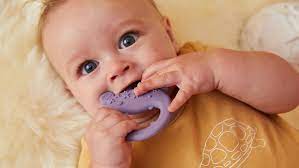
The Evolution of Teethers:
Throughout history, parents have sought various methods to soothe their teething babies. In ancient times, natural materials such as animal bones, sticks, and coral were used as rudimentary teethers. However, as our understanding of infant development and safety has evolved, so too have the designs and materials of teethers.
Modern teethers come in a variety of shapes, sizes, and materials, catering to the diverse needs and preferences of both parents and infants. Traditional teethers made of rubber or silicone remain popular, while newer options made from food-grade silicone or natural rubber provide a safe and durable choice for babies to chew on.
Types of Teethers:
Traditional Teething Rings:
One of the classic teether designs is the teething ring. Typically made of safe materials such as silicone or rubber, these rings are easy for babies to grasp and chew on. The firmness of the ring provides counter-pressure, which can help alleviate the discomfort associated with teething.
Soft Teethers:
Soft teethers, often shaped like animals or characters, are designed to be gentle on a baby’s gums. Made from soft materials like silicone or fabric, these teethers are suitable for infants who may find traditional teething rings too hard.
Freezer Teethers:
Some teethers are designed to be cooled in the freezer before use. The cold temperature provides additional relief to the baby’s sore gums. These teethers often have a gel-filled center or water-filled compartments that retain cold for an extended period.
Textured Teethers:
Teething can cause babies to seek various textures for comfort. Textured teethers provide a variety of surfaces for babies to explore with their mouths, helping to stimulate their senses and provide relief.
The Importance of Teethers:
Pain Relief:
Teething can be a painful process for babies as their teeth push through the gums. The counter-pressure provided by chewing on a teether can help alleviate some of the discomfort, making it a valuable tool for parents during this challenging time.
Stimulation of Oral Motor Skills:
Chewing on teethers encourages the development of oral motor skills in infants. The act of gripping, biting, and manipulating the teether helps strengthen the baby’s jaw and tongue muscles, which are crucial for later stages of development, including speech.
Distraction and Soothing:
Teething often leads to irritability and fussiness in infants. Teethers can serve as a distraction, providing a soothing and enjoyable activity for the baby. The engagement with the teether helps redirect their focus from the discomfort of teething.
Development of Hand-Eye Coordination:
Holding and manipulating a teether requires coordination between the baby’s hands and eyes. This interaction contributes to the development of hand-eye coordination, a fundamental skill that lays the groundwork for more complex movements and activities later in life.
Safe Exploration:
Babies explore the world around them through their mouths, and providing a safe teething toy ensures that they can satisfy this natural inclination without putting harmful objects or substances in their mouths. Modern teethers are designed with safety in mind, using non-toxic materials and avoiding small parts that could pose a choking hazard.
Teethers have come a long way from the primitive materials used in ancient times to the diverse and safe options available today. These simple yet effective tools play a crucial role in providing relief to teething infants, stimulating their development, and offering parents a means to ease the challenges of this milestone. As our understanding of infant development continues to grow, the evolution of teethers will likely persist, ensuring that future generations of babies benefit from safe and innovative solutions during their teething journey.