Black Tourmaline: A Grounding Stone With Lasting Appeal
Crystals and minerals have been used across cultures for centuries, valued for their natural beauty as well as their symbolic meaning. Among them, black tourmaline stands out for its deep color, durability, and reputation as a grounding stone. Whether used in jewelry, home spaces, or personal practices, black tourmaline continues to attract interest for both practical and reflective reasons.
What Is Black Tourmaline?
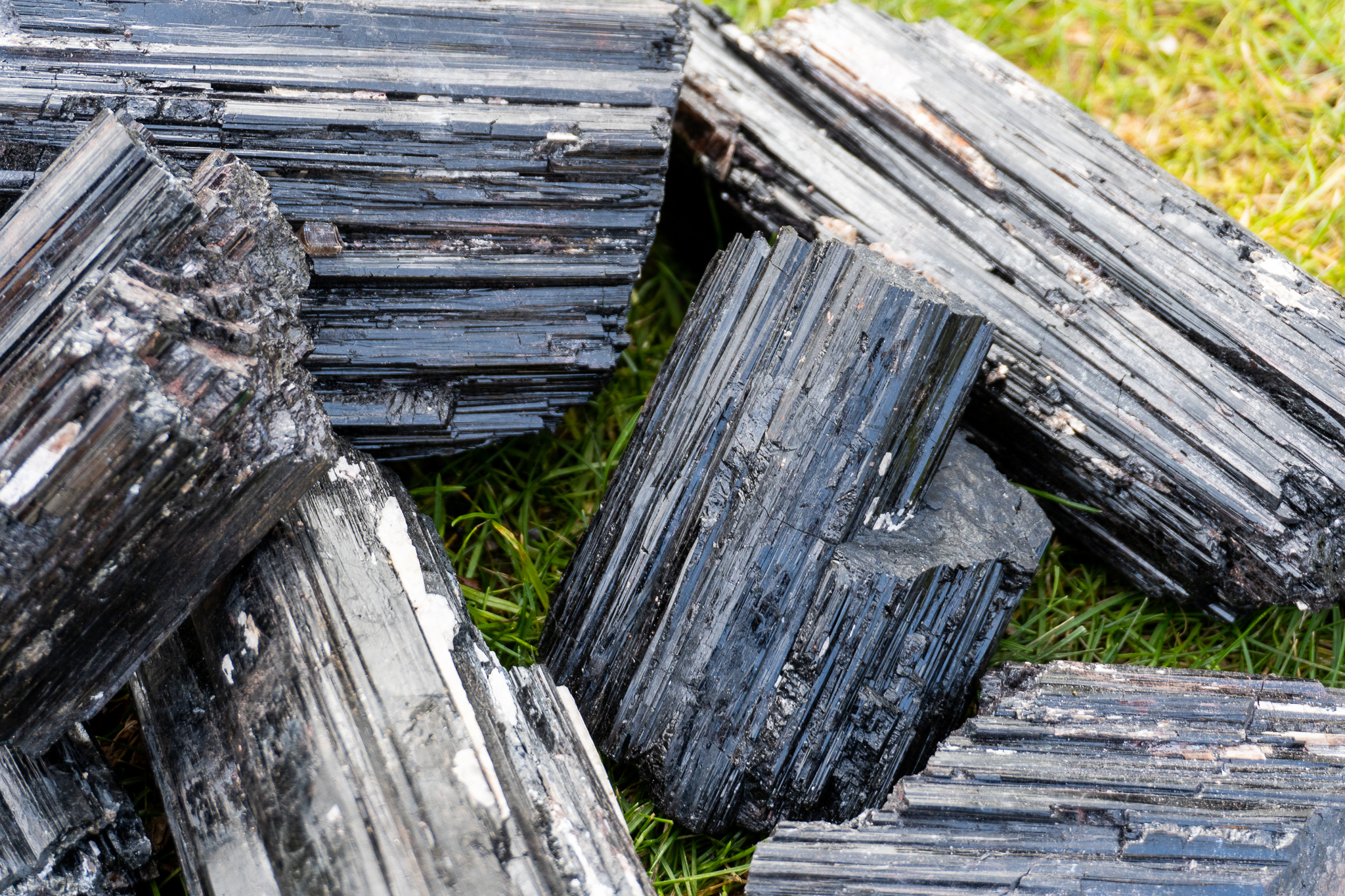
Black tourmaline, also known as schorl, is a naturally occurring mineral belonging to the tourmaline family. It is typically jet black, though some pieces may show subtle brown or deep blue undertones under light.
It forms in long, vertical crystal structures and is found in various parts of the world, including Brazil, Africa, the United States, and parts of Asia. Its hardness and structure make it suitable for both decorative and functional uses.
Because it is widely available and durable, black tourmaline is one of the most commonly used tourmaline varieties.
Why Black Tourmaline Is So Popular
Black tourmaline’s popularity comes from a mix of appearance, symbolism, and versatility. Visually, its dark, matte-to-glossy finish gives it a strong, understated presence. It pairs easily with many styles, whether worn as jewelry or placed in a room.
Symbolically, black tourmaline is often associated with grounding, stability, and protection. Many people are drawn to it during times of stress or transition because it represents a sense of balance and strength.
Its affordability compared to rarer stones also makes it accessible to a wide audience.
Common Uses of Black Tourmaline
Black tourmaline is used in a variety of everyday and decorative ways, largely because it is durable, visually striking, and easy to incorporate into daily life. One of the most common uses is jewelry. Necklaces, bracelets, rings, and pendants allow the stone to be worn close to the body, which many people prefer for its grounding symbolism. Jewelry designs range from raw, natural crystals to polished and refined pieces, making black tourmaline suitable for both casual and formal styles.
In homes and offices, black tourmaline is often used as a decorative accent. Raw or polished stones may be placed on desks, shelves, windowsills, or entryways. Some people enjoy its presence as a natural design element, while others appreciate it as a visual reminder of calm, balance, and focus in busy environments. Its neutral black color blends easily with most interior styles, from minimalist to rustic.
Another common use is as a personal carry stone. Small pieces of black tourmaline are often kept in pockets, bags, or pouches. In this form, the stone is treated more as a personal object than a decorative item. People who carry it this way often do so for comfort, familiarity, or symbolic reassurance during daily routines.
Across all these uses, black tourmaline stands out for its versatility. It can be worn, displayed, or carried with little effort, making it one of the most accessible and widely used stones for both practical and personal purposes.
Black Tourmaline and Grounding Practices
Grounding is a concept that focuses on feeling connected, present, and steady. Black tourmaline is commonly linked to this idea due to its dense structure and dark color.
People who practice meditation or mindfulness sometimes incorporate black tourmaline into their routines. It may be held during quiet moments or placed nearby during reflection.
While these uses are symbolic rather than medical, many find them personally meaningful.
Protective Symbolism and Modern Interest
Black tourmaline is often described as a protective stone in spiritual and wellness communities. This symbolism is not new. Historically, dark stones were frequently associated with shielding and boundary-setting.
In modern settings, this idea has been adapted to contemporary concerns. Some people associate black tourmaline with protection from environmental stress, negative energy, or overwhelming situations.
Whether taken literally or metaphorically, the symbolism resonates with people seeking balance in busy lives.
Using Black Tourmaline in Living Spaces
Black tourmaline is often incorporated into living spaces as a natural accent that feels subtle yet intentional. Interior designers and homeowners alike use raw or polished pieces to add texture, depth, and contrast, especially in minimalist, modern, or earthy interiors. Its organic structure introduces a natural element without overwhelming the overall design.
Because black tourmaline is neutral in color, it pairs easily with a wide range of materials. It complements wood finishes, metal accents, stone surfaces, and concrete textures, making it a flexible choice for many styles. In lighter spaces, the dark tone of the stone creates visual balance, while in darker or industrial settings it blends seamlessly without drawing too much attention.
Placement plays an important role. In living rooms, black tourmaline may be displayed on coffee tables, bookshelves, or sideboards as a conversation piece. In workspaces or home offices, it is often placed on desks or near monitors, where its clean, grounded appearance supports a calm, focused atmosphere. Some people also place it near entryways as a welcoming accent that adds weight and presence to the space.
What makes black tourmaline especially appealing is that it adds character without feeling overly decorative. Its natural form feels authentic rather than styled, allowing it to enhance a room quietly. Whether used as a single statement piece or grouped with other natural elements, black tourmaline fits into living spaces in a way that feels intentional, balanced, and timeless.
Jewelry Design and Style
Black tourmaline jewelry ranges from simple, raw-stone pieces to polished, refined designs. Some prefer the organic look of uncut crystals, while others favor smooth, faceted stones.
Its dark tone makes it easy to pair with silver, gold, or leather. As a result, black tourmaline jewelry often feels versatile and wearable for daily use.
Designs tend to focus on simplicity, letting the stone itself stand out.
How Black Tourmaline Is Cared For
Black tourmaline is relatively sturdy, but it still benefits from basic care. Avoid exposing it to harsh chemicals or extreme temperature changes, especially in jewelry form.
Many people clean black tourmaline using water and a soft cloth. Some also choose to “reset” or cleanse the stone symbolically by placing it in sunlight, moonlight, or near natural elements.
Care routines vary depending on personal beliefs and how the stone is used.
Natural Variations and Forms
Black tourmaline appears in a wide range of natural forms, which is part of what makes it so appealing. One of the most common forms is raw crystal. These pieces are left largely untouched, showcasing the stone’s natural striations, vertical lines, and uneven edges. Many people are drawn to raw black tourmaline because it feels authentic and organic, highlighting the way the mineral formed in nature.
Polished black tourmaline offers a different look. Through careful smoothing and finishing, the stone takes on a glossy or satin-like surface. Polished pieces are commonly used in jewelry, pocket stones, and decorative objects because they feel comfortable to handle and visually refined. This form emphasizes the stone’s deep black color and subtle luster.
Black tourmaline is also shaped into beads and carved forms, such as spheres, points, or small sculptures. Beads are especially popular for bracelets and necklaces, while carved pieces are often used as decorative accents or gifts. These shapes allow the stone to be incorporated into everyday items while still retaining its natural character.
Both raw and polished forms are widely valued, and preference usually comes down to personal taste and intended use. Some people prefer the rugged appearance of raw crystals, while others enjoy the clean finish of polished stones. Because black tourmaline forms naturally and varies in structure, no two pieces are exactly alike, adding to its uniqueness and lasting appeal.
Black Tourmaline vs Other Black Stones
Black tourmaline is often compared to other black stones such as obsidian, onyx, or hematite. While they may look similar, their properties and structures differ.
Tourmaline is known for its crystalline form, while obsidian is volcanic glass and onyx is a type of chalcedony. Some people choose stones based on appearance alone, while others consider symbolism or origin.
Black tourmaline’s combination of structure and symbolism sets it apart for many users.
Why Black Tourmaline Has Endured
Trends in wellness and decor change, but black tourmaline has remained consistently popular. Its grounded aesthetic and adaptable meaning allow it to fit into many lifestyles and belief systems.
It does not require specialized knowledge to appreciate. People can enjoy it purely as a natural object or engage more deeply with its symbolic associations.
That flexibility is part of why black tourmaline continues to be widely used.
Choosing Black Tourmaline
When selecting black tourmaline, quality often comes down to personal preference. Some look for well-defined crystals, while others prefer smoother, polished finishes.
Authentic black tourmaline should feel solid and slightly heavy for its size. Buying from reputable sellers helps ensure the stone is natural and responsibly sourced.
Ultimately, the best piece is one that resonates with the individual using it.
Final Thoughts
Black tourmaline is more than just a dark stone. It is a natural material with visual strength, historical significance, and modern relevance. Whether appreciated for its appearance, symbolism, or versatility, it offers a simple way to bring a sense of grounding into everyday life.
As interest in natural materials continues to grow, black tourmaline remains a steady favorite. Its appeal lies not in trendiness, but in its ability to feel timeless, balanced, and quietly powerful.