5 Surprising Truths About Ho Chi Minh City

Ho Chi Minh City attracts millions of tourists each year not only for its famous attractions but also for many other interesting reasons. In the article below, we will reveal 5 fascinating truths about this bustling city in Vietnam that may pique your curiosity. Scroll down to read more!
Ho Chi Minh City Named After Vietnam’s Illustrious Leader
Ho Chi Minh City, originally named after the Vietnamese revolutionary leader, underwent various name changes. Initially known as ‘Pray Nokoro’ or ‘Preah Reach Nokor’, the city was renamed Saigon by the French in 1862.
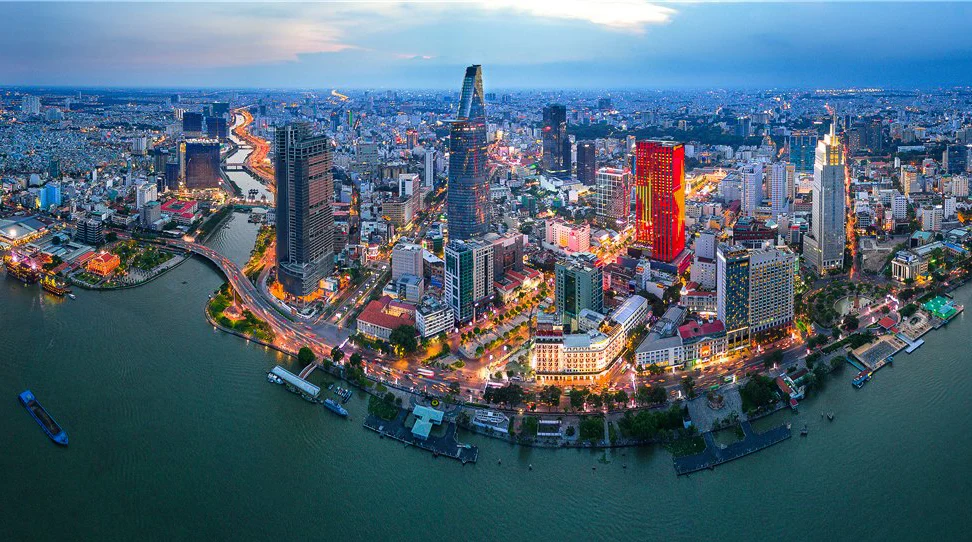
Ho Chi Minh City is an exciting tourist destination that attracts millions of visitors every year
Ho Chi Minh, residing in France during World War I, was inspired by the Bolshevik Revolution and later established the Indochinese Communist Party and the League for Independence. Following Germany’s defeat of France in 1940, Ho Chi Minh returned to Vietnam to organize the league wedding.
At the end of World War II, he proclaimed a Democratic State of Vietnam in Hanoi and served as president for 25 years, earning the affectionate title of ‘Uncle Ho’.
French Influence in Ho Chi Minh City Endures
Ho Chi Minh City bears the lasting imprint of its French colonial past. The iconic Saigon Notre Dame Cathedral, constructed in the 19th century, stands as a testament to this heritage and remains a favored backdrop for wedding photos.
Designed by Gustave Eiffel in 1886, the Saigon Central Post Office is another notable landmark. Strolling through District 1 reveals a tapestry of French colonial architecture, including the Reunification Palace, Municipal Theater (Opera House), Hotel Majestic, and City Hall. These architectural gems serve as tangible reminders of Vietnam’s rich history and the enduring legacy of French influence in the city’s urban landscape.
Ho Chi Minh City is Spa Paradise in Vietnam
One intriguing aspect of Ho Chi Minh City is its abundance of superb spas. After navigating the bustling streets and enduring the scorching sun, there’s nothing quite like indulging in a serene spa experience. Remarkably, these rejuvenating services come at wallet-friendly prices.
The city center, including Ben Thanh Market, hosts some of the finest spas. You can expect to pay around VND 250,000 for manicures and pedicures, while full-body massages are priced at approximately VND 150,000 – a steal compared to other locations.
>> Book a flight from KLIA to Ho Chi Minh to enjoy affordable yet fantastic spa services today
Ho Chi Minh City Has a Diverse Range of Affordable Street Food Options
Ho Chi Minh City boasts an array of delectable street foods, offering a culinary adventure for every palate. You can indulge in iconic dishes like banh mi, ba lo lat, goi cuon, cao lau, and the beloved pho, all available at affordable prices from bustling sidewalk vendors. Whether it’s day or night, you’ll find these culinary gems waiting to be savored, promising an authentic taste of Vietnam’s vibrant food culture.
Whether you explore the vibrant streets of the city’s bustling markets, bustling streets, or hidden alleyways, you’ll discover a diverse array of street food vendors offering their delectable creations at every turn. From the crackling sounds of sizzling grills to the enticing aromas wafting through the air, the sights, sounds, and flavors of Ho Chi Minh City’s street food scene promise an unforgettable gastronomic adventure for food lovers and culinary enthusiasts alike.
French Influence on Architecture and Cultural Heritage in Ho Chi Minh City
Ho Chi Minh City bears a lasting imprint of its French colonial past, evident in its architectural landmarks and cultural heritage. From the iconic Saigon Notre Dame Cathedral, built in the 19th century with its distinctive red brick facade and twin spires, to the elegant Saigon Central Post Office, designed by Gustave Eiffel, visitors are immersed in a blend of Gothic, Renaissance, and French colonial styles. District 1 showcases further colonial remnants like the Reunification Palace, the Municipal Theater, Hotel Majestic, and City Hall, each embodying a chapter of Vietnam’s history and architectural evolution.
These historic sites not only serve as architectural marvels but also as poignant reminders of Vietnam’s journey toward independence and its enduring cultural fusion. The French colonial legacy in Ho Chi Minh City is a testament to the city’s rich history and its ongoing embrace of cultural diversity and heritage preservation.
Coffee is the most popular beverage in Ho Chi Minh City
Ho Chi Minh City’s coffee culture is a vital part of its identity, offering a unique blend of tradition and modernity. Despite the availability of various beverages, coffee, particularly ca phe da, remains a favorite among locals and tourists alike. Served cold with condensed milk, this rich and flavorful drink is enjoyed in cafes throughout the city.

Milk coffee is the most popular drink in Ho Chi Minh City
From traditional Vietnamese-style establishments to trendy modern cafes, there’s a diverse range of options to explore. Coffee shops not only provide a space to enjoy a beverage but also serve as social hubs where people gather to socialize, conduct business, or simply unwind amidst the city’s vibrant atmosphere. In essence, Ho Chi Minh City’s coffee culture reflects the dynamic energy and diverse lifestyle of this bustling metropolis, making it an integral part of the city’s cultural landscape.
>> With a low airfare ticket to Ho Chi Minh, you can travel here today to explore more fascinating truths about Ho Chi Minh City on your own.
Ho Chi Minh City is a vibrant metropolis filled with intriguing facets that captivate visitors from around the globe. We hope that uncovering these 5 surprising truths has shed light on the unique charm and allure of Ho Chi Minh City, inspiring you to explore its wonders further. Whether you’re a seasoned traveler or a first-time visitor, there’s always something new and exciting to discover in this dynamic urban landscape.