Does Sterling Silver Lose Its Shine Over Time? Understanding Tarnish
Sterling silver is beloved for its lustrous finish and timeless beauty. But a common question from silver enthusiasts is: does it tarnish?
In this guide, you’ll get the tarnished truth on maintaining silver’s shine for years.
Sterling silver tarnishes through a natural chemical reaction with sulfur-containing compounds in the air. This oxidation process causes silver to form a surface layer of silver sulfide, which dulls its reflective appearance into a darker, stained-looking finish.
While a bummer for silver lovers, some discoloration is expected over time. But with proper care, you can slow the tarnishing process and keep sterling looking lovely.
Silver tarnishing happens in a two-step reaction:
1. Silver oxidizes when exposed to oxygen and humidity in the air. This forms a layer of silver oxide on the surface.
2. Trace amounts of hydrogen sulfide gas in the air react with silver oxide, producing silver sulfide. This darker sulfide layer causes a tarnish.
So, humidity and air quality impact tarnish rates. Silver also tarnishes faster in saltwater due to the chloride ions.
Factors That Influence Tarnish Rates
Many variables determine how quickly sterling silver may tarnish:
● Sterling silver (92.5% silver + 7.5% copper and/or nickel) tarnishes faster than fine silver (.999 pure). The alloying metals increase chemical reactivity.
● Argentium sterling (with germanium instead of copper) resists tarnish better.
● Intricate patterns and etchings tarnish faster as more surface area is exposed to air.
● Rhodium or gold plating temporarily resists tarnish but can wear off over time.
● Air quality – More pollutants = faster tarnish
● Humidity – Moisture accelerates the chemical reaction
● Heat, light, and salt can corrode silver faster
● Frequent skin contact, cleaning agents, and perfumes also interact with the metal surface
So, while sterling silver will eventually tarnish, rates vary:
Sterling Silver Tarnish Timeline
Light tarnish: 6 months – 1 year
Noticeable tarnishing: 1-3 years
Heavily tarnished: Over 5-10 years
While some aging is natural, you CAN resist tarnishing through smart precautions:
● Silver storage bags
● Anti-tarnish strips & cloths
● Tarnish-resistant cloth pouches
These products use activated carbon or silica to absorb sulfur gases actively.
● Professional anti-tarnish dips create a micro-layer that resists corrosion
● Lasts 6-12 months, typically
● Avoid direct light, heat, humidity, and open air
● Use tarnish-resistant bags or boxes
● Gentle polishes (treated cloths, gels) remove early tarnish
● Avoid abrasives that damage the surface
● Before baths, pools, household chores
● Especially when using cleaning liquids, soaps and sprays
● Skin oils also react with silver, so buff after wearing
● Tarnish accelerates when left unworn for longer periods
● Rotate pieces if you have a large silver collection
While disciplined, this regimen pays off in preserving sterling shine!
Cleaning Tarnished Sterling Silver
Over time, cleaning will become necessary as some darkening occurs. You have options based on the tarnish level:
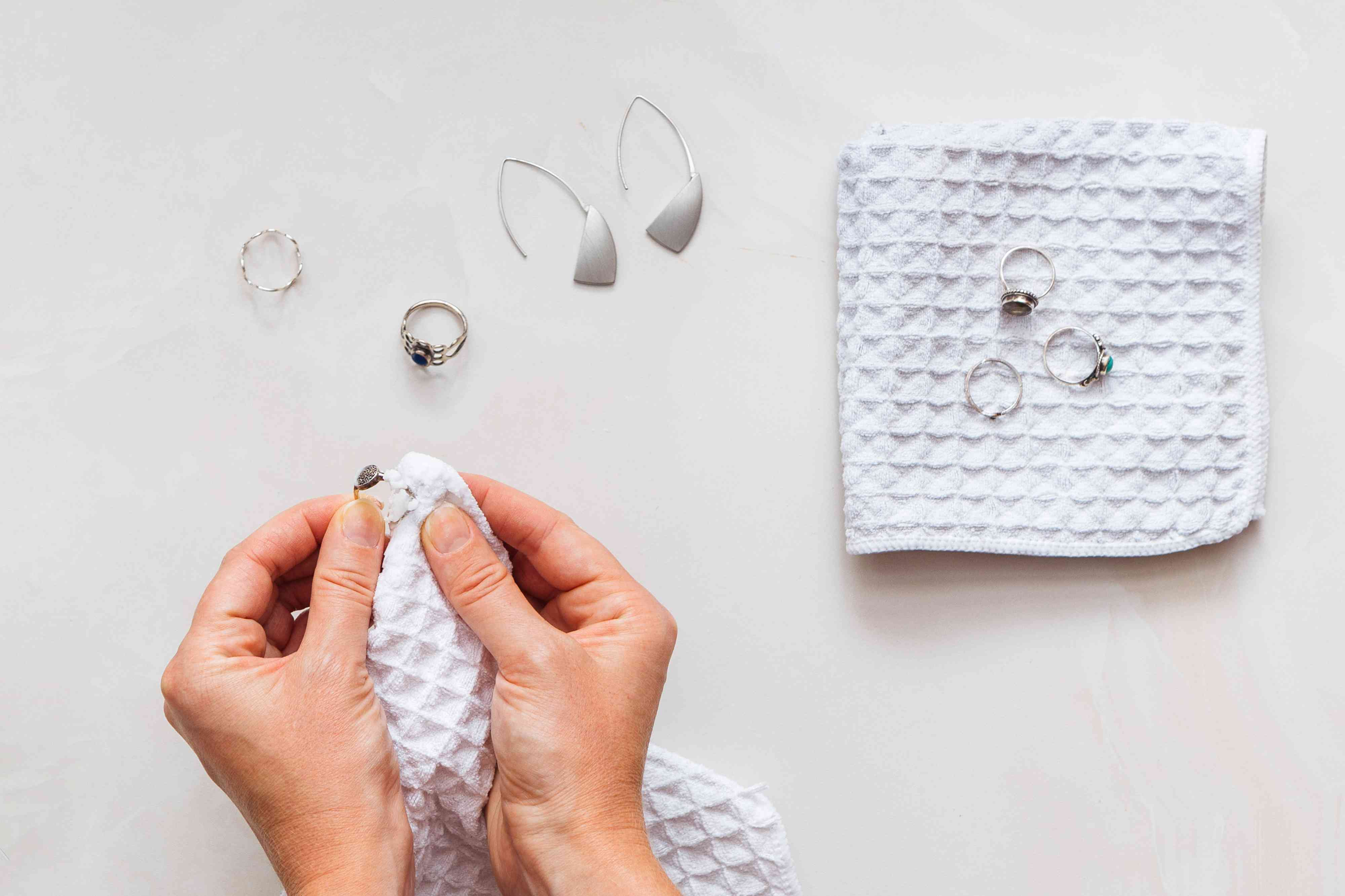
● Baking soda or salt + aluminum foil
● White vinegar soak
● Toothpaste rub
These household staples offer gentle polishing for minor to moderate tarnish with minimal investment!
Silver Dips & Polishing Cloths
● Excellent commercial cleaners available
● Look for non-toxic and pH neutral
● Great for routine maintenance too!
● Vibrating baths deep clean severely tarnished items
● Especially useful for intricate jewelry
● Allows cleaning without brushing or rubbing the delicate piece
Professional cleaning may be worthwhile for sentimental heirloom pieces for that revitalizing facelift!
Embracing the Charm of Aged Sterling Silver
While keeping sterling silver sparkling has its appeal, some prefer the distinguished patina of antique silver. Silver oxidizes over decades and develops a darker, grayish-black soft sheen. And flaws like tiny scratches add character.
Tarnish-resistant coatings can interfere with achieving this venerable aged finish. So for select items, allowing natural oxidation has its own unique charm!
Sterling silver may gradually tarnish depending on care and exposure. But implementing preventive steps lets you enjoy its beauty with less upkeep. And even if some tarnishing occurs, effective cleaning restores the metal’s brilliance.
So go ahead – adorn yourself in those sterling silver pieces without hesitation! With the proper maintenance approach, you can cherish them as shining heirlooms.