How to Accept Payments For Your Business?
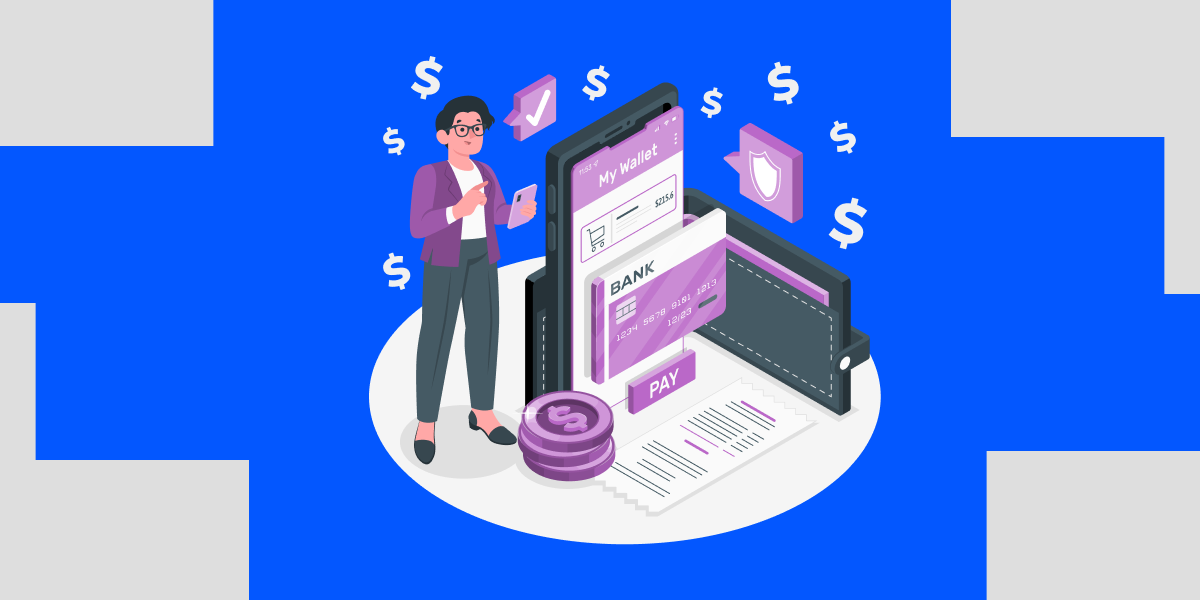
Are you looking to streamline your business operations and improve the way you accept payments from customers?
In this comprehensive guide, we’ll walk you through how to choose the proper POS system comparison for your business by comparing different options on the market.
Say goodbye to clunky cash registers and hello to efficient payment processing with a new POS system. Let’s dive in
Understanding POS Systems
A fundamental aspect of modern retail and service industries is that POS systems, or point of sale systems, are essential tools that facilitate transactions between businesses and customers. These systems encompass hardware and software components, enabling seamless payment processing and inventory management.
In understanding POS systems, delving into their functionalities and benefits is crucial. Notably, POS systems streamline operations, enhance customer experiences, and provide valuable insights for business growth.
By evaluating factors like features, costs, and compatibility, companies can decide to select the most suitable POS solution for their needs. Understanding POS systems involves recognizing their role in modern commerce and leveraging them effectively to drive business success.
Types of POS Systems and payments
POS systems come in various types, each offering unique features and benefits tailored to different business needs. One standard classification is based on the hardware used, including mobile, tablet, and terminal POS systems. Mobile POS systems, such as Square and Zettle, are ideal for businesses needing mobility and flexibility in their transactions.
Tablet POS systems, like Lightspeed, offer a more interactive and user-friendly interface suitable for hospitality and retail settings. Terminal POS systems, including traditional cash registers and modern POS terminals, are stationary setups commonly found in retail stores.
Another classification is based on deployment methods, including cloud-based, on-premise, and web-based POS systems. Cloud-based POS systems, like Shopify and Vend, provide flexibility and scalability, making them suitable for businesses of all sizes.
On-premise POS systems are installed locally on a business’s servers, offering more control but requiring higher upfront costs and maintenance. Understanding these different types of POS systems allows businesses to choose the best solution for their specific needs based on budget, scalability, and industry requirements.
Choosing the Right POS System
Selecting the right POS system for your business is crucial for smooth operations and efficient customer transactions. Begin by understanding your business needs and goals, considering factors such as the size of your business, industry requirements, and budget.
Conducting a POS system comparison can help you evaluate different options based on features, pricing, and compatibility with your existing systems. Look for POS systems with a user-friendly interface and robust reporting capabilities to help you manage your business effectively.
Consider the scalability of the POS system to ensure it can grow with your business. Additionally, seek feedback from other merchants and read reviews to get insights into the reliability and customer support of the POS system providers.
By carefully evaluating these factors, you can choose a POS system that meets your business requirements and helps you streamline your operations effectively.
Popular POS Systems Comparison
Comparing popular POS systems can help businesses decide which system best suits their needs. Square Point of Sale is regarded as one of the best POS systems, offering extensive integrations, a free plan, and advanced tools.
Vend POS is another top choice, known for its user-friendly interface and robust inventory management features. Bindo POS stands out for its comprehensive suite of features, including CRM and e-commerce integration.
Erply is favored for its scalability and customizable reporting capabilities, making it suitable for businesses of all sizes. Intuit QuickBooks Point of Sale is a popular choice among small businesses for its seamless integration with QuickBooks accounting software and user-friendly interface.
NCR Silver is known for its reliability and comprehensive support, making it a solid choice for businesses prioritizing customer service. Shopify POS is favored by e-commerce businesses for its seamless integration with the Shopify platform and advanced e-commerce features.
ShopKeep is praised for its intuitive interface and robust inventory management features, making it a popular choice among retailers and restaurateurs. By comparing these popular POS systems, businesses can find the best fit for their specific needs, whether they prioritize ease of use, advanced features, or scalability.
Canada POS is a good website to compare POS systems in Canada and find the match for your business.
Pros and Cons of Popular POS Systems
Square Point of Sale:
- Pros: Intuitive interface, extensive integrations.
- Cons: Confusing or costly pricing structure compared to other options.
Vend POS:
- Pros: Robust inventory management features a user-friendly interface.
- Cons: It may lack the level of customization required by some businesses.
Bindo POS:
- Pros: Comprehensive suite of features, including CRM and e-commerce integration.
- Cons: Small firms may find the pricing too expensive.
Erply:
- Pros: Scalability, customizable reporting.
- Cons: The interface may be less intuitive for some users.
Other POS Systems:
- Pros: Diverse features and pricing options to suit various business needs.
- Cons: Some systems may lack specific functionalities required by particular businesses.
Businesses can select the POS system that best suits their needs by considering these factors.
Implementing a POS System
Implementing a POS system involves several key steps to ensure a smooth and effective transition. First, it’s crucial to research and compare different POS systems to find the one that best suits your business needs, considering cost, features, and scalability.
Once you’ve selected a POS system, the next step is to train your staff to use it effectively. This includes teaching them how to process transactions, manage inventory, and generate reports. Additionally, you’ll need to integrate the POS system with your existing hardware and software to ensure compatibility and data synchronization.
After implementation, it’s important to regularly monitor and evaluate the system’s performance to identify any issues and make necessary adjustments. By following these best practices, you can successfully implement a POS system that enhances your business operations.
Tips for Maximizing the Benefits of a POS System
To maximize the benefits of a POS system, consider the following tips.
- Firstly, choose a POS system that aligns with your business needs and size. Compare different systems to find one that offers the required features and scalability.
- Secondly, ensure thorough training for your staff to utilize the POS system effectively. This includes understanding how to process transactions, manage inventory, and generate reports.
- Thirdly, integrate your POS system with other tools and software to streamline operations and improve efficiency.
- Fourthly, regularly update your POS system to benefit from the latest features and security enhancements.
- Finally, analyze data from your POS system to make informed business decisions and identify areas for improvement.
By following these tips, you can maximize the benefits of your POS system and improve your overall business performance.
Conclusion
In today’s fast-paced business world, having a reliable and efficient payment system is crucial for success. By utilizing a POS system, businesses can streamline their transactions and provide customers with a convenient and secure way to make payments.
With the various options available on the market, it is important to research different POS system comparison to find one that best fits your business needs.
We hope this guide has provided valuable information on how to accept payments through a POS system and helped you choose the right one for your business. Embrace technology and improve your customer’s experience with an advanced POS system today!