How to Use Squat Rack at Gym
Understanding the Importance of the Squat Rack
Why Every Gym-Goer Should Know How to Use It
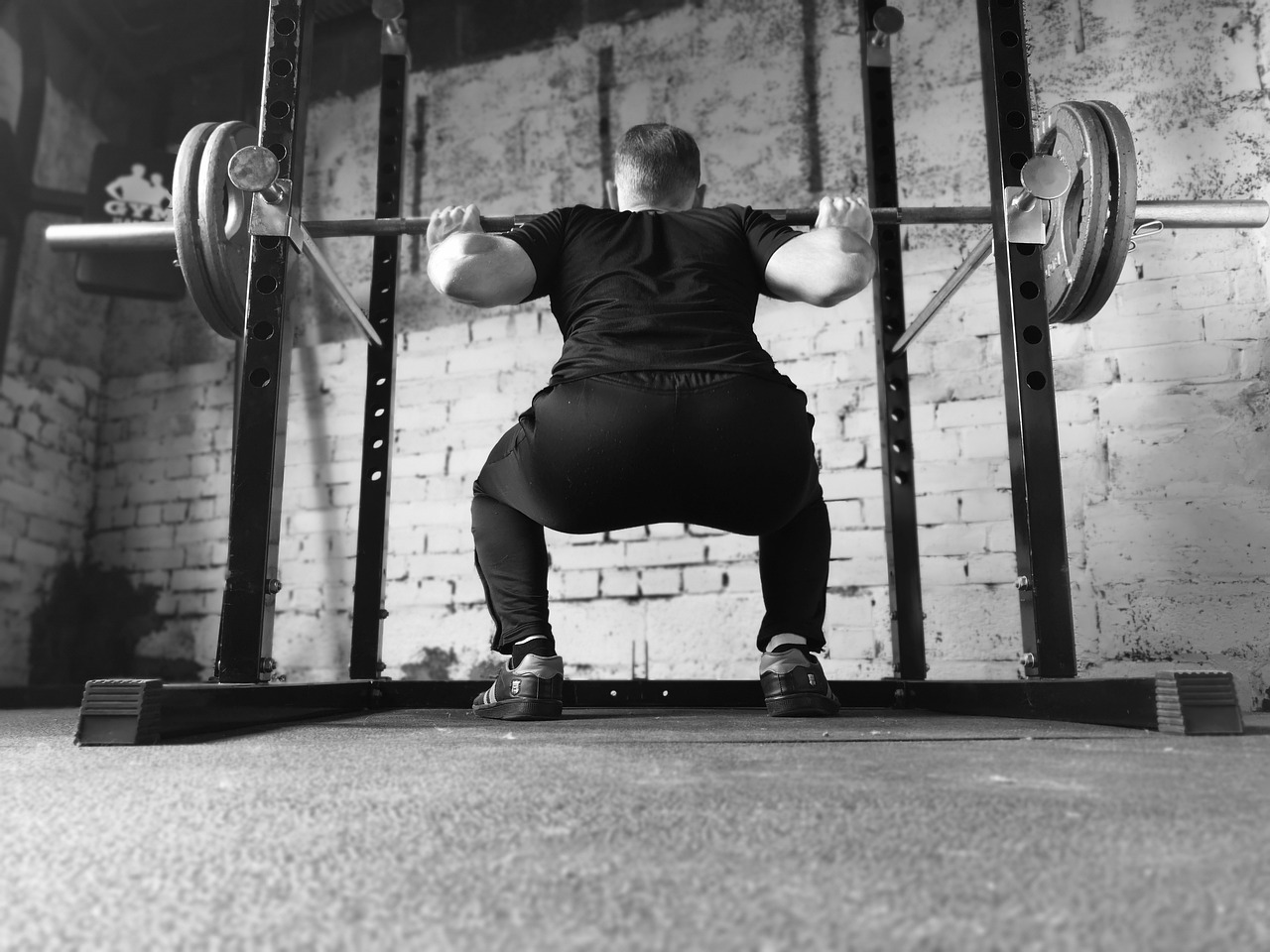
The squat rack is more than just a piece of equipment; it’s a fundamental tool for strength training. Whether you’re a beginner or a seasoned lifter, understanding how to use the squat rack effectively can significantly enhance your workout routine. From building lower body strength to improving overall stability, the squat rack offers a multitude of benefits that cater to various fitness goals.
Safety First: Avoiding Common Mistakes
Safety remains paramount when using the squat rack. Many individuals overlook proper form and technique, leading to potential injuries. By familiarizing yourself with essential safety precautions, such as adjusting the safety bars and selecting appropriate weight, you can mitigate risks and optimize your training experience.
Familiarizing Yourself with the Basics
Anatomy of a Squat Rack
Uprights and Safety Arms
The squat rack consists of sturdy uprights and safety arms designed to support the weight during your squatting motion. These components play a crucial role in providing stability and ensuring your safety throughout the exercise.
Weight Plates and Bars
Understanding the various weight plates and bars available is essential for customizing your workout. Whether you prefer Olympic bars or standard plates, selecting the right combination based on your strength level and goals is key to maximizing results.
Adjusting the Rack to Your Height and Needs
Setting the Safety Bars
Properly adjusting the safety bars to your height ensures optimal positioning during your squats. Begin by aligning the bars just below your squatting depth to catch the barbell if needed, providing an added layer of security throughout your sets.
Choosing the Right Weight
Determining the appropriate weight for your squats requires careful consideration of your fitness level and objectives. Start with a manageable weight that allows you to perform each rep with proper form, gradually increasing as your strength improves.
Step-by-Step Guide to Perfecting Your Form
Proper Foot Placement and Stance
Feet Positioning for Stability
Establishing a stable foot position sets the foundation for a successful squat. Maintain a shoulder-width stance, ensuring your feet remain flat on the ground throughout the movement to promote balance and stability.
Aligning Your Knees and Hips
Proper alignment of your knees and hips is crucial for preventing strain and injury. Maintain a neutral spine and engage your core as you lower into the squat, ensuring your knees track over your toes without collapsing inward or outward.
Executing the Movement Safely
The Descent: Lowering Your Body
Initiate the descent by pushing your hips back and bending your knees, keeping your chest lifted and back straight. Lower your body until your thighs are parallel to the ground, maintaining control and stability throughout the movement.
The Ascent: Rising with Control
With your core engaged, drive through your heels and extend your hips and knees simultaneously to return to the starting position. Focus on maintaining a smooth and controlled motion, emphasizing proper form and alignment throughout each repetition.
Troubleshooting Your Squat
Addressing Knee Pain and Strain
Adjusting Your Stance and Depth
Experiencing knee pain or strain may indicate improper stance or depth. Experiment with adjusting your foot positioning and squat depth to alleviate discomfort and ensure proper alignment throughout your sets.
Incorporating Mobility Exercises
Incorporating mobility exercises, such as hip flexor stretches and ankle mobility drills, can improve flexibility and range of motion, reducing the risk of injury and enhancing overall squat performance.
Overcoming Plateaus and Improving Technique
Progressive Overload: Adding Weight Safely
Progressive overload remains a fundamental principle in strength training. Gradually increasing the weight while maintaining proper form ensures continuous progress and prevents plateaus, allowing you to achieve your fitness goals more effectively.
Seeking Professional Guidance
Consulting with a fitness professional or personal trainer can provide valuable insights and personalized guidance to address specific challenges and refine your squat technique.
Elevating Your Squat Game
Exploring Different Types of Squats
Front Squats vs. Back Squats
Exploring different squat variations, such as front squats and back squats, targets various muscle groups and adds variety to your workout routine. Experiment with different techniques to determine which variation best aligns with your goals and preferences.
Incorporating Bulgarian Split Squats
Incorporating Bulgarian split squats into your training regimen offers a unique challenge that engages stabilizing muscles and improves balance and coordination. Begin with bodyweight variations, gradually incorporating additional weight as your strength and confidence increase.
Integrating Accessories for Enhanced Performance
Using Resistance Bands and Chains
Utilizing resistance bands and chains can enhance your squat performance by accommodating resistance and promoting explosive power. Incorporate these accessories strategically to challenge your muscles and break through training plateaus effectively.
Implementing Plyometric Drills
Incorporating plyometric drills, such as jump squats and box jumps, can improve explosive strength and athletic performance. Integrate these high-intensity exercises into your routine to enhance power development and elevate your squat game.
Summary and Next Steps
The Benefits of Regular Squat Rack Training
Mastering the squat rack offers numerous benefits, including improved strength, stability, and overall fitness. By incorporating proper form and technique into your routine, you can maximize results and achieve your fitness goals more effectively.
Investing in Quality Equipment for Home Gyms
Exploring the Best Gym Racks Collection for Your Needs
Investing in quality equipment, such as the best gym racks collection, ensures a safe and effective workout experience. Explore various options tailored to your specific needs and preferences, enhancing your home gym setup and optimizing your training regimen.
Ready to Take the Next Step?
Joining a Fitness Community for Support
Engaging with a fitness community can provide valuable support and motivation as you progress on your squat journey. Connect with like-minded individuals to share experiences, tips, and encouragement, fostering a supportive environment for continued growth and development.
Continuing Your Squat Journey with Confidence
Armed with the knowledge and skills gained from this comprehensive guide, continue your squat journey with confidence and determination. Implement these strategies and tips into your routine, maintaining a focus on proper form, safety, and progression to achieve long-term success and optimal results.