Is Vaping Safe? Understanding the Health Implications
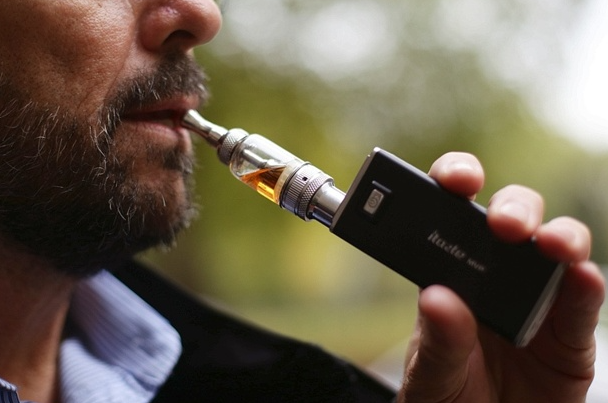
Vaping, the act of inhaling vapor produced by an electronic cigarette (e-cigarette) or similar device, has risen in popularity, especially among former smokers and young adults. The primary appeal of e-cigarettes is that they are often marketed as being less harmful than traditional tobacco cigarettes, offering a smoke-free alternative to deliver nicotine. As e-cigarettes do not burn tobacco, they do not produce tar or carbon monoxide, two of the most damaging constituents in cigarette smoke. However, the safety of long-term vaping remains a subject of ongoing research and debate within the health community.
Health concerns surrounding vaping primarily revolve around the ingredients found in e-liquid, which typically includes nicotine, flavorings, and solvents. Nicotine, while less harmful than combustion-related toxins, is an addictive substance with known negative cardiovascular and neurological effects. Additionally, certain flavoring compounds have come under scrutiny for potential health risks when inhaled. Notably, a condition known as e-cigarette or vaping product use-associated lung injury (EVALI) has highlighted the potential risks associated with certain vaping products.
The landscape of electronic cigarettes continues to evolve, as does the research into their health implications. While some studies suggest that e-cigarettes may be helpful for individuals trying to quit smoking, public health officials caution against non-smokers starting to vape, emphasizing the goal of reducing overall nicotine addiction. Regulators seek to balance the potential benefits of vaping as a smoking cessation tool against the associated risks, particularly for youth and those who have never smoked.
Understanding Vaping and Its Components
This section provides an understanding of vaping, including its mechanism, key components, and the devices used.
What Is Vaping?
Vaping involves inhaling an aerosol produced by heating a liquid in devices known as e-cigarettes or vape pens. Unlike traditional smoking, it does not involve burning tobacco.
The Role of Nicotine
Nicotine is a stimulant typically found in vaping liquids. It is an addictive substance with varying concentrations in different vaping products.
- Low concentration: Often aimed at people trying to reduce their nicotine intake.
- High concentration: Targeted towards heavy smokers transitioning to vaping.
Vaping Devices Explained
Vaping devices are electronic gadgets designed to simulate the experience of smoking. Here are the key components:
- Liquid compartment: Holds the e-liquid that is vaporized.
- Heating element: Also called an atomizer, it heats the liquid to create aerosol.
- Power source: Usually a rechargeable vape battery.
- Mouthpiece: Where the user inhales the aerosol.
Comparing Smoking and Vaping
The critical comparisons between smoking and vaping lie in the substance delivery methods, health impacts, and their roles in smoking cessation.
Differences Between Vaping and Traditional Cigarettes
Traditional cigarettes burn tobacco to deliver nicotine through smoke inhalation, while vaping devices, also known as e-cigarettes, heat a liquid to create an aerosol. The fundamental difference is the combustion process; smoking requires it, while vaping does not. This distinction has implications for the user’s exposure to harmful substances. Smoking exposes the user to tar and numerous carcinogens, whereas vaping is thought to reduce exposure to these harmful substances.
- Smoking: Involves combustion; releases tar and carcinogens.
- Vaping: No combustion; thought to reduce exposure to tar and carcinogens.
E-Cigarettes vs. Tobacco Products
E-cigarettes use a liquid that typically contains nicotine, flavorings, and other chemicals. They do not contain tobacco in leaf form but do utilize nicotine derived from tobacco. Conversely, traditional tobacco products are made from cured tobacco leaves and contain thousands of chemicals, many of which are known to be toxic and carcinogenic.
- E-Cigarettes:
- Nicotine level can be controlled.
- Contains flavorings and other chemicals.
- Tobacco Products:
- Fixed levels of nicotine.
- Contains thousands of toxic chemicals.
The Debate on Smoking Cessation
Vaping is a subject of ongoing research regarding its effectiveness as a smoking cessation tool. Some studies suggest that e-cigarettes may help some smokers quit, but the long-term success rates and health outcomes are still being evaluated. There is, however, agreement that neither vaping nor smoking is risk-free. Health authorities typically position approved nicotine replacement therapies (like patches and gum) above vaping as recommended smoking cessation aids.
- Vaping for Cessation:
- May help some smokers.
- Long-term success and health outcomes unknown.
- Smoking Cessation Aids:
- Nicotine patches and gum are preferred.
- Recognized by health authorities.
Health Risks Associated with Vaping
Despite being often marketed as a safer alternative to traditional cigarette smoking, vaping carries its own set of health risks. Research indicates that e-cigarette use adversely affects lung and heart health and is particularly harmful to younger populations.
Lung Health and Vaping
Vaping can lead to various lung injuries and diseases. One serious health risk is the development of e-cigarette or vaping product use-associated lung injury (EVALI). The substances found in vape aerosol, including diacetyl and other harmful chemicals, have been linked to an increased risk of chronic lung diseases such as bronchitis and asthma.
Heart Health and Vape Use
Studies show vaping can have a negative impact on heart health. Nicotine, a common ingredient in e-cigarettes, can cause an increase in blood pressure, heart rate, and the flow of blood to the heart, potentially leading to heart disease. Moreover, certain chemicals in vape liquids may contribute to increased cardiovascular risks.
Effects of Vaping on Youth and Young Adults
Vaping poses a significant risk for youth and young adults. Due to their developing brains, this demographic is more susceptible to nicotine addiction. The usage of e-cigarettes in this age group has been associated with impaired lung development and an increased propensity for trying conventional cigarettes, both of which can have long-term adverse health outcomes. Additionally, there are concerns about exposure to toxic substances found in flavored vape juice that can be particularly harmful to children.
Vaping remains a contentious issue in public health, with evidence mounting on its associated risks.
Regulations, Research, and the Future of Vaping
Vaping, as a practice and an industry, is subject to ongoing research, evolving regulations, and debates on safety. This section explores the current state of research, legislative responses, and the shifting perceptions of vaping health implications.
Current Research on Vaping
Research into the safety and health effects of vaping is continually advancing. The Centers for Disease Control and Prevention (CDC) and other health organizations study vaping-related health issues, including the potential consequences of long-term use. Recent studies have focused on the outcomes of using electronic nicotine delivery systems (ENDS), comparing them to conventional cigarette smoking. Key findings often underline the need for a deeper understanding of the chemicals inhaled during vaping and their impacts on health.
Vaping Legislation and Control
Legislation concerning vaping varies widely by region, often shaped by the growing body of research. Regulations may include age restrictions, marketing limitations, and product safety standards. Tobacco product laws often extend to vapes, treating them similarly to other nicotine products. Key regulations aim to protect public health, prevent youth access, and provide consumers with information about the risks associated with vaping products.
Evolving Perspectives on Vaping Safety
As research progresses, perspectives on the safety of vaping evolve. Health authorities, such as the CDC, maintain a cautious stance regarding vaping due to the potential for health problems. They highlight the lack of information on long-term health effects, especially compared to the well-documented dangers of traditional tobacco products. The industry and consumers await further evidence that could lead to more informed decisions and potentially safer vaping practices in the future.